




Christian Art
This section offers a journey through the entire history of Christian art, bringing classical heritage and contemporary creation into dialogue. The content is organised according to different periods – as outlined by Gombrich in his *History of Art* – and distinguishes between the main artistic forms, such as architecture, painting, sculpture and other arts, thereby providing a comprehensive and coherent overview of each period.
The various sections provide visual content and text, which facilitates a deeper understanding of the works and their significance. We have included a section highlighting the masterpieces of Christian art.




The Holy Grail at Valencia Cathedral

The Good Shepherd – Priscilla’s Catacombs

St Clement’s Abbey, Castiglione

The Annunciation, Fra Angelico

Statuette of the Good Shepherd

Pantocrator – 6th-century icon – Monastery of Saint Catherine on Mount Sinai
The ancient Constantinian Basilica of St Peter’s

Bronze baldachin, St Peter’s Basilica, Rome

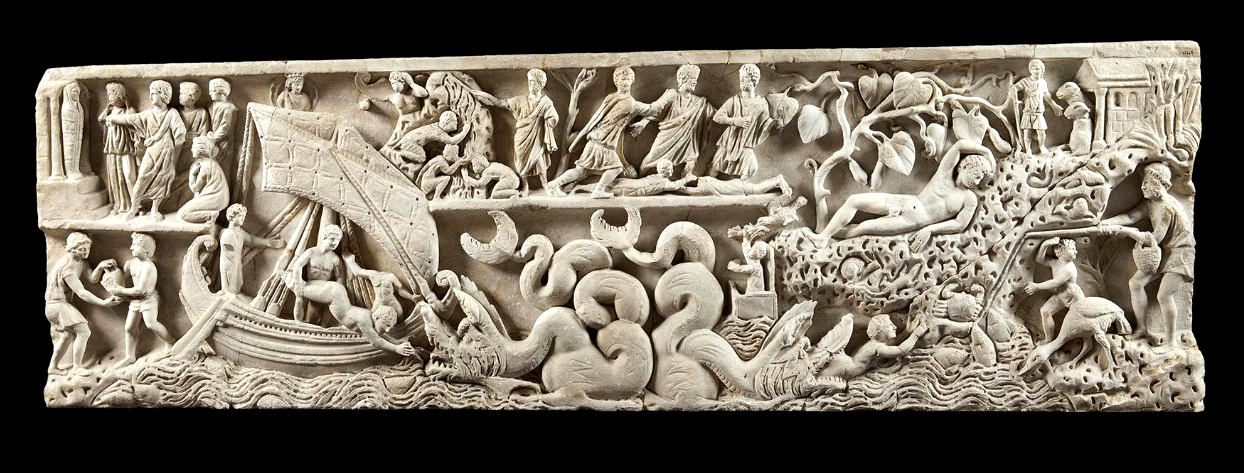
Sarcophagus depicting scenes from the Passion of Christ
Kélibia Baptistery, Tunisia
The Orthodox Baptistery, Ravenna

Scrovegni Chapel, Padua

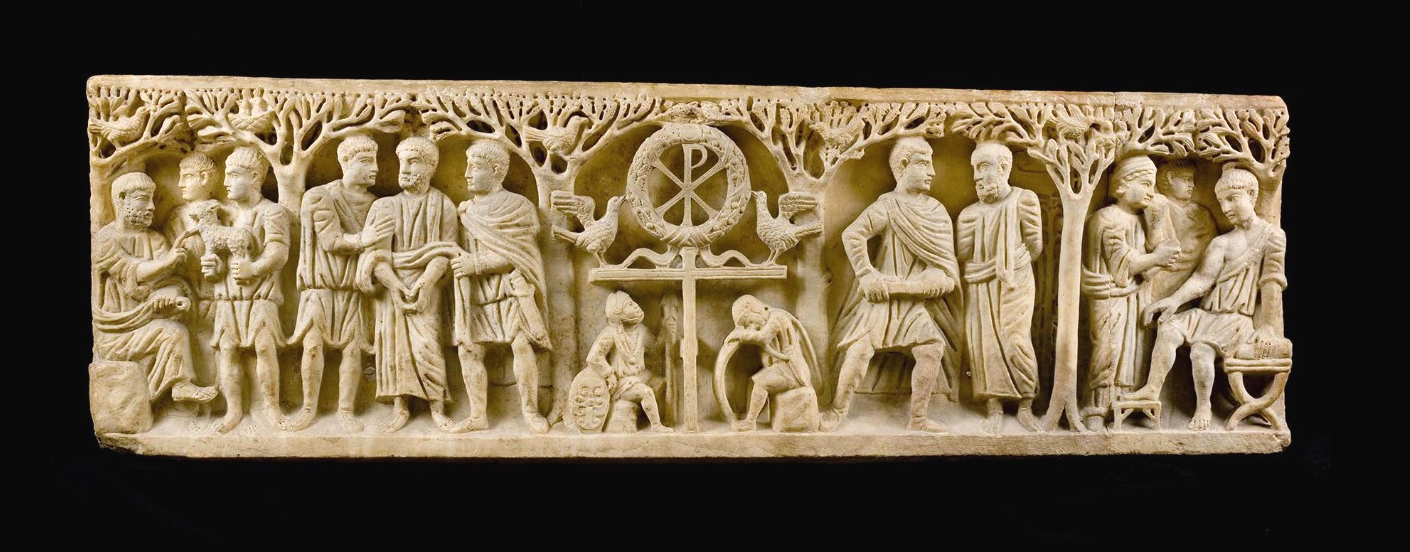
Tree sarcophagus
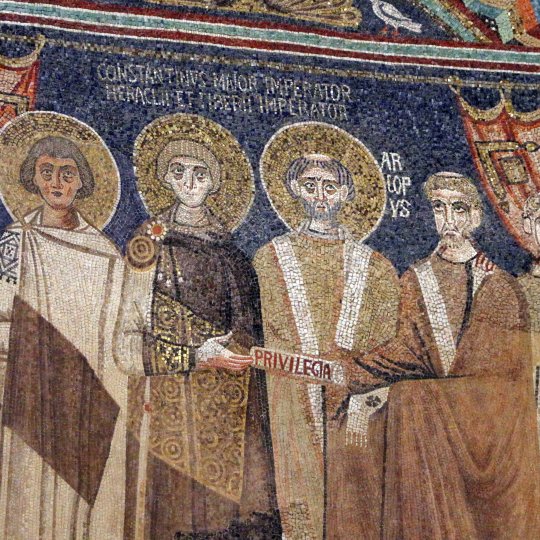
Sant'Apollinare in classe, Ravenna

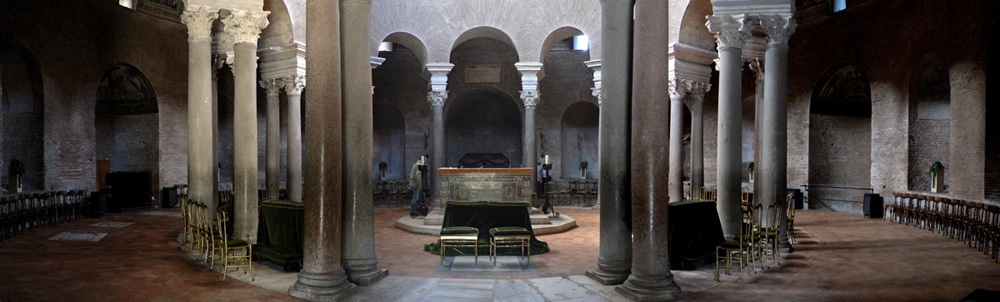
Santo Stefano rotondo

Our Lady of the Beautiful Window

Sarcophagus of Jonah

Our Lady of Glykophilousa – Church of Saint Francesca Romana
Basílica Aquileia

King´s College Chapel, Cambridge, 1446

Sarcophagus of Junius Bassus, 4th century
Saint Euphrasius Basilica, Poreč, Croatia

Dome of Santa Maria dei Fiori, Florence

Christ walking on the water – Dura Europos
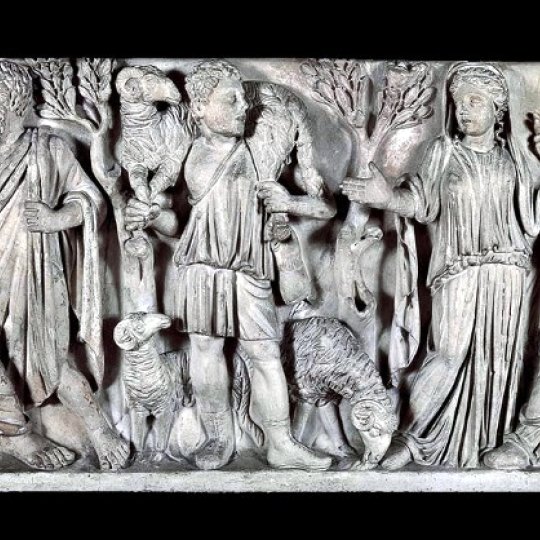
Sarcophagus from the Via Salaria
Basilica of St John Lateran, Rome

The Crucified Christ, by Velázquez

Christ Healing the Paralysed Man - Dura Europos

The sarcophagus of the two brothers

Sant´Apollinare in classe, Ravenna
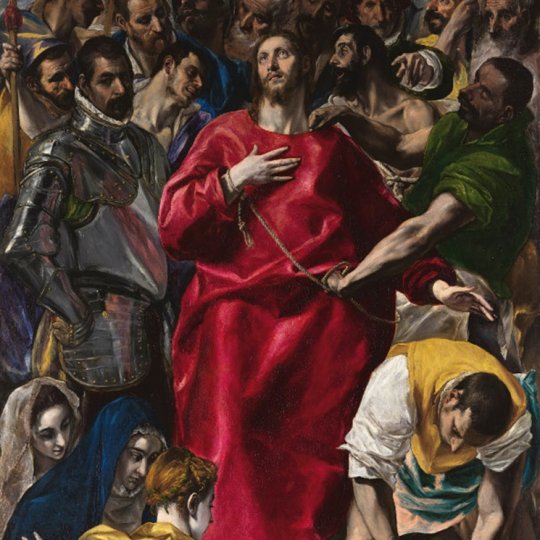
The Plunder, El Greco

The Three Young Men in the Fiery Furnace – Catacombs of Priscilla

Sarcophagus from the crossing of the Red Sea
Basilica of San Salvador, Spoleto

Salvator Mundi - Leonardo da Vinci

Daniel and the Lions

Basilica of San Vitale, Ravenna

The Garden of Earthly Delights – Hieronymus Bosch
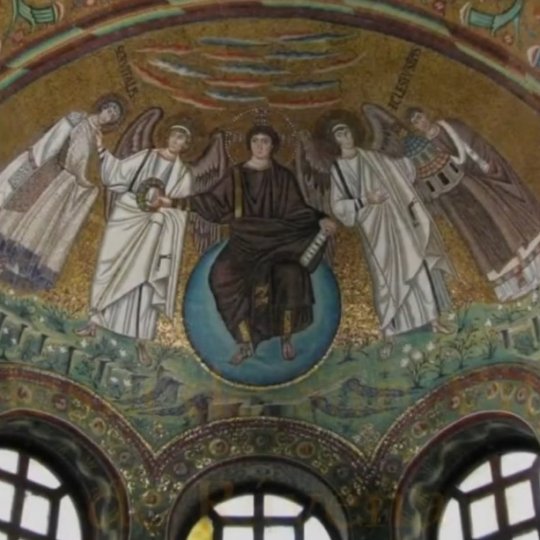
Basílica of San Vitale, Ravenna - vídeo

Resurrection – Nervi Hall, Vatican
Basílica of Santa Sabina, Roma

Hagia Sophia, Istambul

Aachen Palatine Chapel
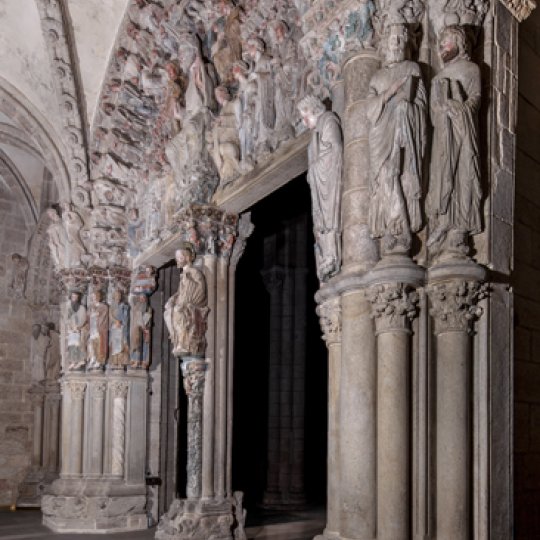
Portico of Glory, Santiago de Compostela

Hagia Sophia, Istambul
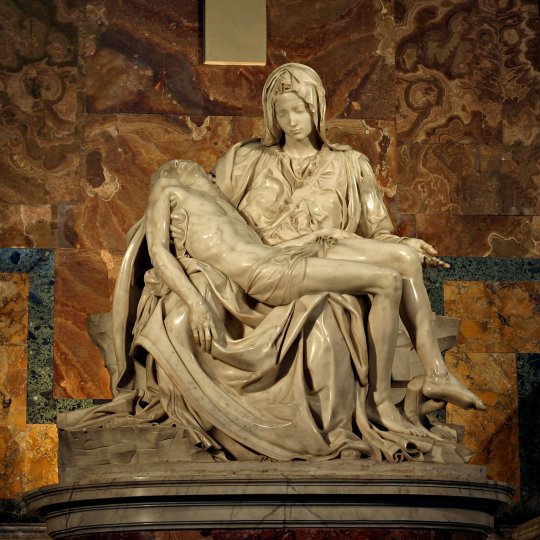
Michelangelo’s Pietà, Vatican
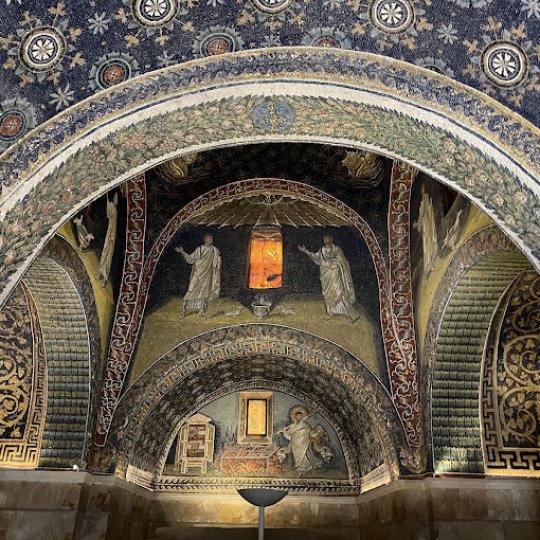
Gala Placidia’s Mausoleum, Ravenna

Moses by Michelangelo

Mausoleum of Saint Constance

The Trinity, Rublev

Domus ecclesiae Monte Celio, Roma

The Resurrection, Murillo

Notre Dame, Paris
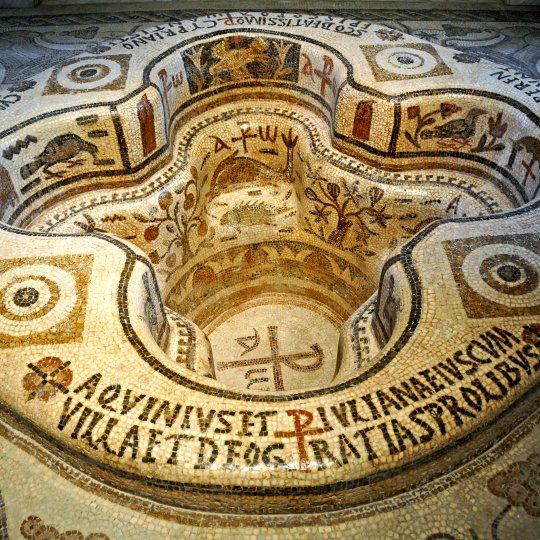
Kélibia Baptistery, Tunisia
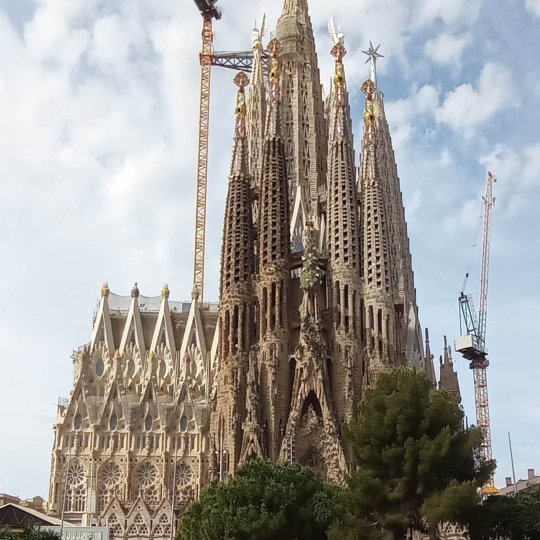
Sagrada Familia, Barcelona

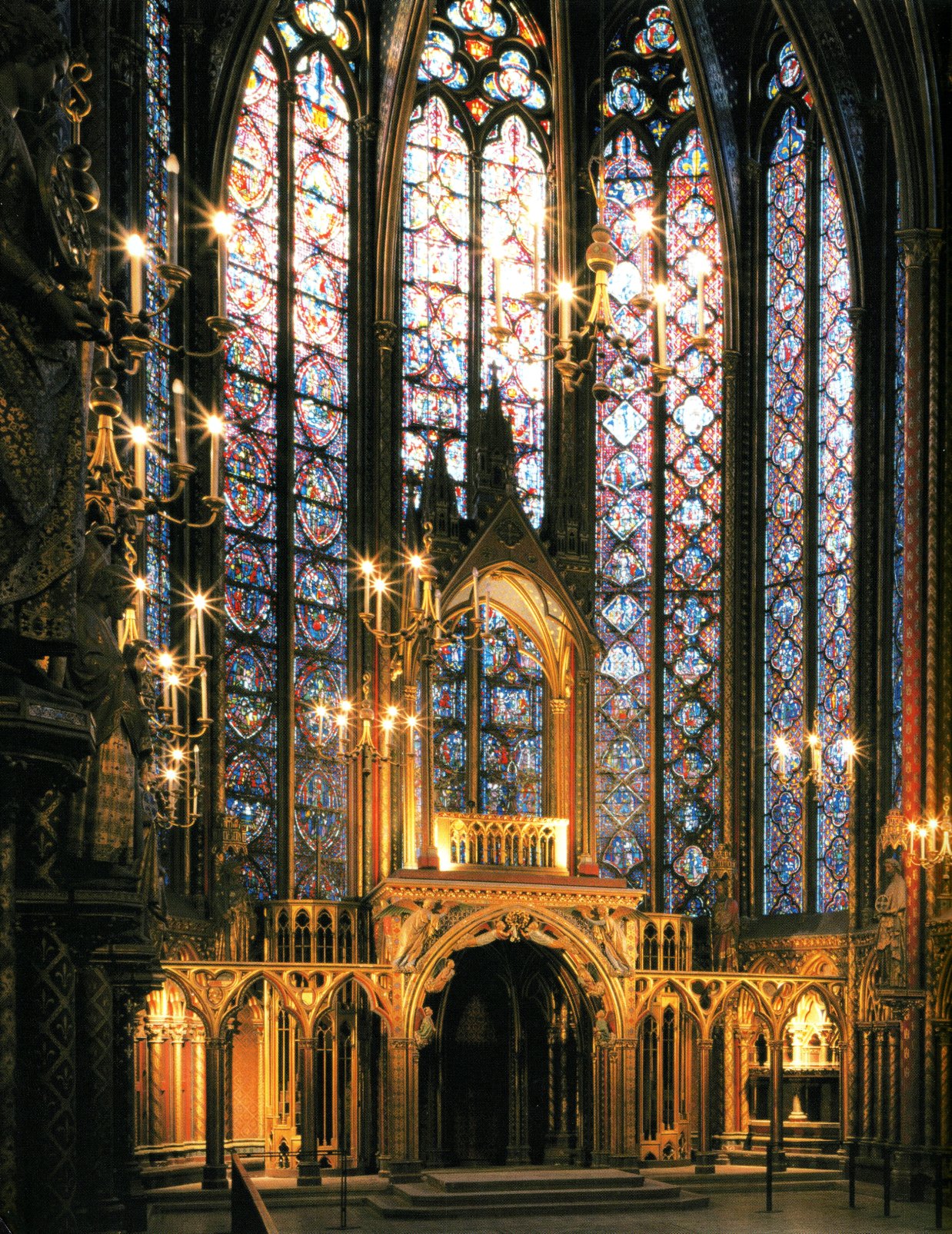
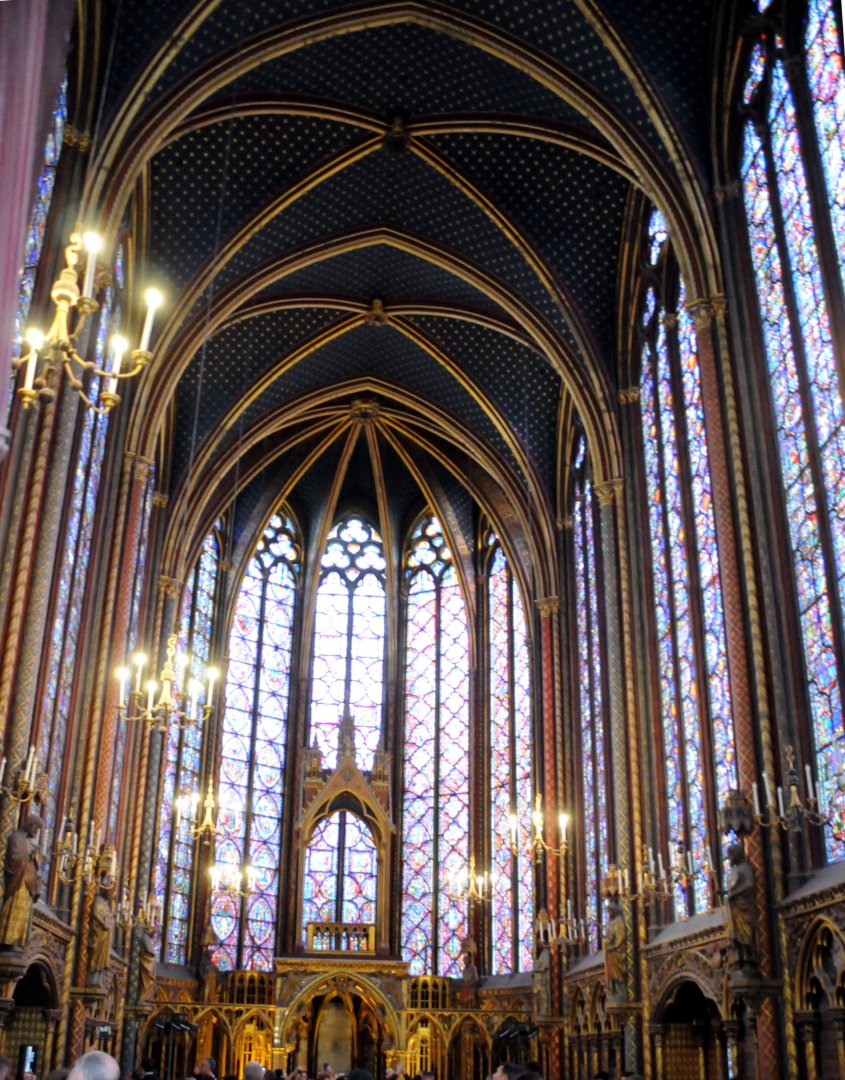
Sainte Chapelle, Paris

Basilica of San Vitale, Ravenna
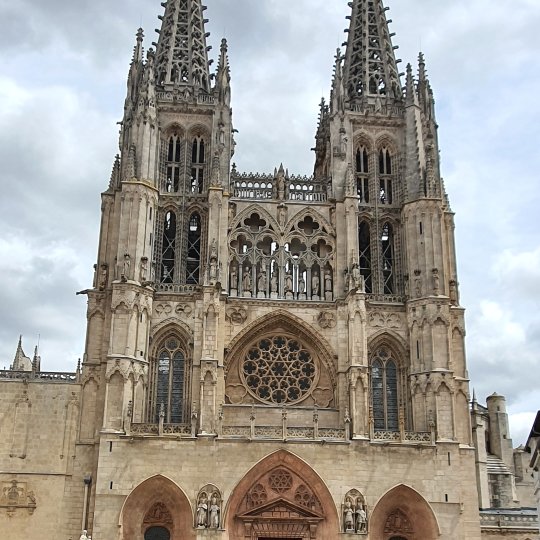
Burgos Cathedral
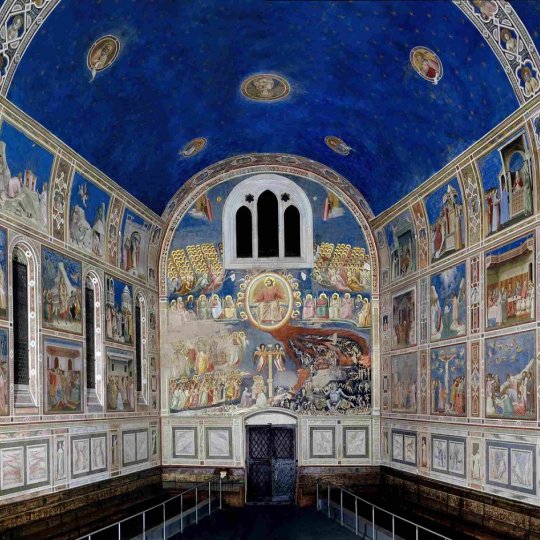
The Scrovegni Chapel, Padua

Chartres Cathedral – stained-glass windows

Church of Saint Trophimus, Arles – Tympanum

Chartres Cathedral

Notre Dame, Paris

Cimabue’s Crucifix

Castilian Romanesque Crucifix

Pamplona Cathedral

Sainte Chapelle, Paris

The Annunciation, Simone Martini and Lippo Memmi
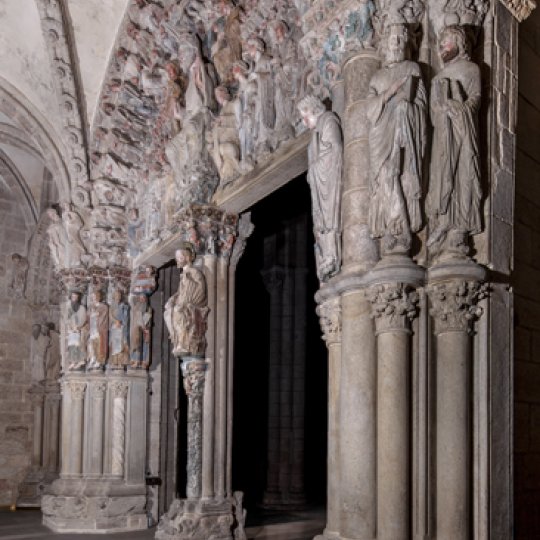
Portico of Glory, Cathedral of Santiago de Compostela

Rouen Cathedral
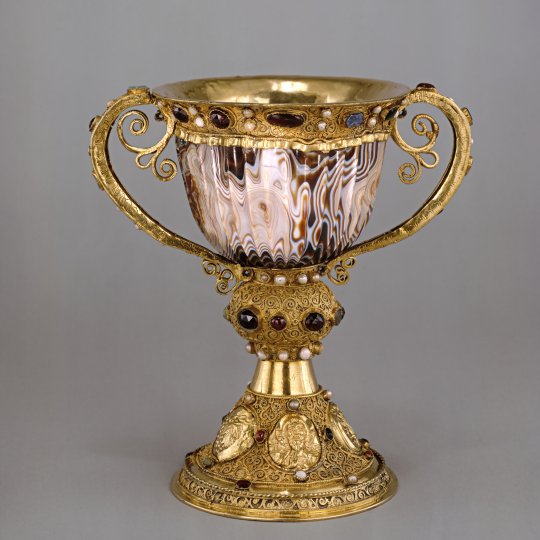
The chalice of Abbot Suger

Giotto’s Crucifix – Padua Civic Museum

Madonna and Child by Juana de Evreux

Sainte Chapelle, Paris

Doña Urraca’s chalice, 11th century

The Annunciation, Fra Angelico
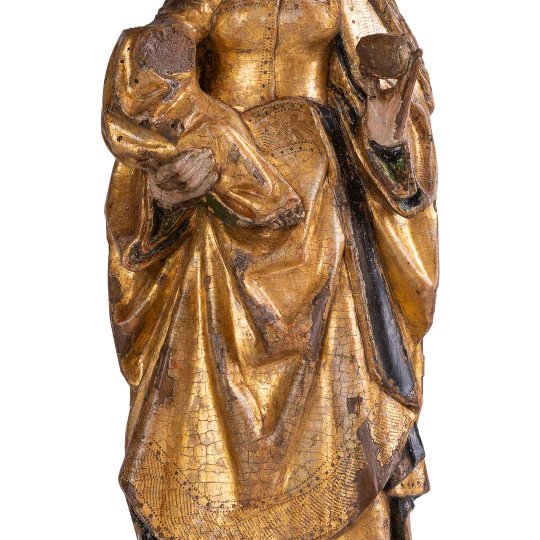
Our Lady of Mechelen – Dobro Parish, Burgos

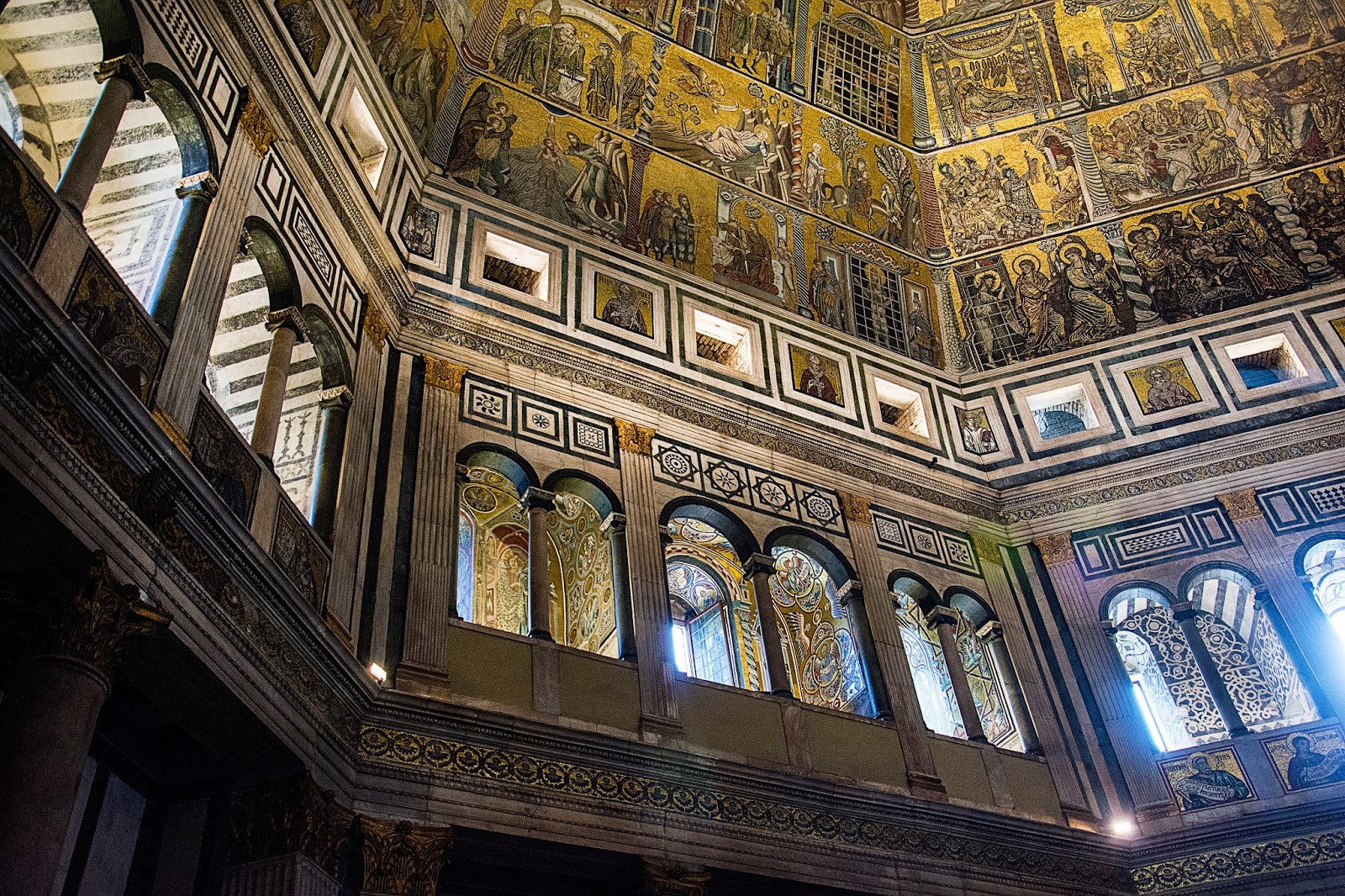
Florence Baptistery

King’s College Chapel, Cambridge, 1446

Florence Baptistery

Chapel of Saint Anne, Burgos Cathedral

Basilica of Saint-Denis, Paris

León Cathedral

St Mark’s Basilica, Venice
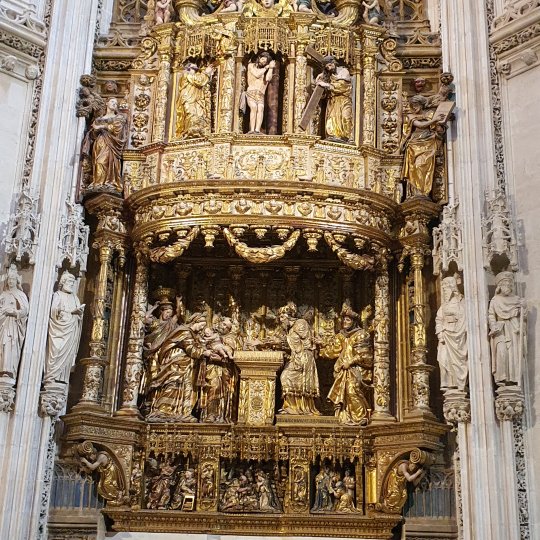
Altarpiece in the Chapel of the Constable, Burgos Cathedral

Basilica of St Mark’s, Florence

Cathedral of Santa Maria dei Fiori, Florence
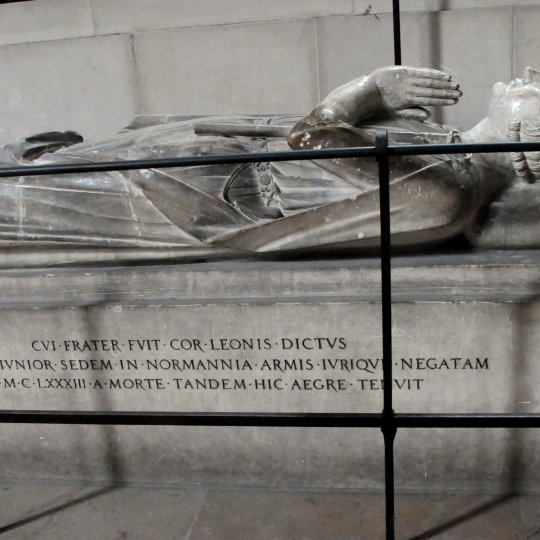
Heart tomb of Richard the Lionheart, Rouen Cathedral

King’s College Chapel, Cambridge

Christ in Majesty – Hagia Sophia, Istanbul
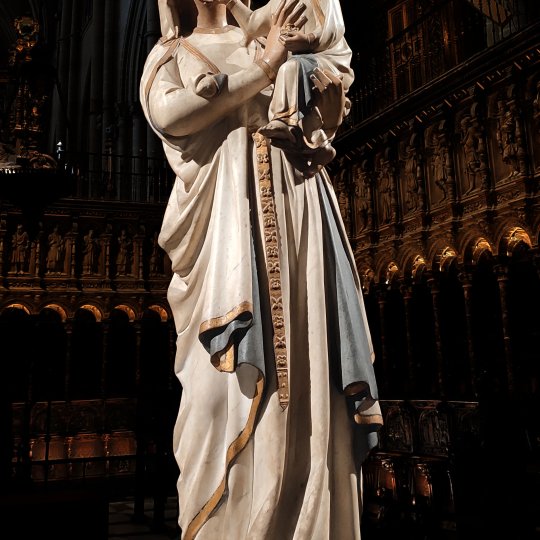
Virgen Blanca, Catedral de Toledo

León Cathedral

Enamel façade, San Miguel de Aralar, Navarre

Notre Dame, Paris

Monreale Cathedral, Palermo

Santa Maria dei Fiori Cathedral, Florence

The Transfiguration – Duccio di Buoninsegna

Monreale Cathedral, Palermo
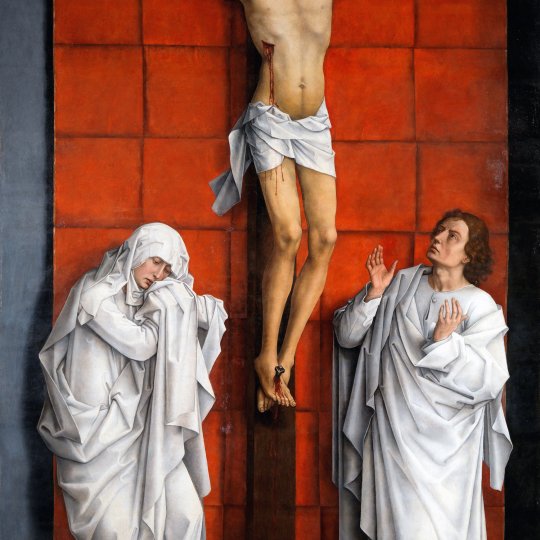
The Crucifixion – Rogier Van der Weyden

Church of San Isidoro, León

The Descent from the Cross – Rogier Van der Weyden

Church of Saint Trophimus, Arles

The Duomo, Milan

Sainte Chapelle, Paris

St. Mary´s Basilica, Cracovia

St Peter’s Basilica

David - Michelangelo Buonarroti

The Monstrance of Toledo Cathedral

The Trinity by Massaccio

Tomb of Saint Cecilia, Rome

Basilica of Santa Maria Maggiore, Rome

Our Lady of the Sailors – Alcázar of Seville
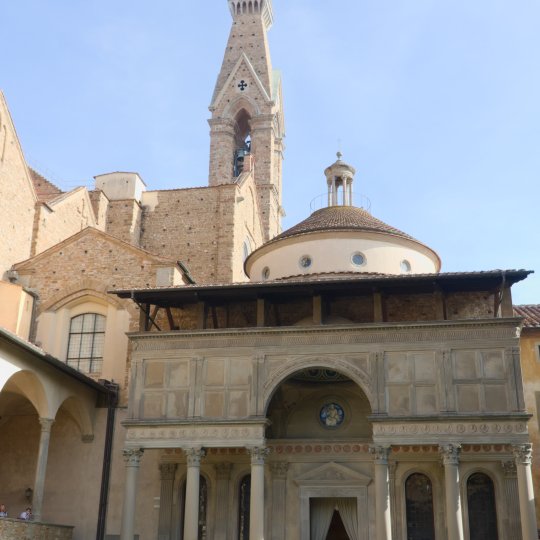
Pazzi Chapel, Florence

The Garden of Earthly Delights – Hieronymus Bosch

Michelangelo’s Pietà, Vatican
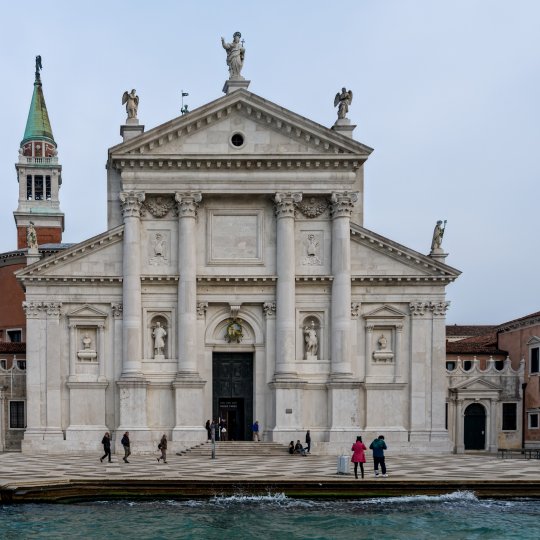
Church of San Giorgio Maggiore, Venice

Tornabuoni Chapel – Santa Maria Novella

Michelangelo’s Moses

Church of Sant'Andrea, Mantua

The Sermon on the Mount – Sistine Chapel

David - Donatello
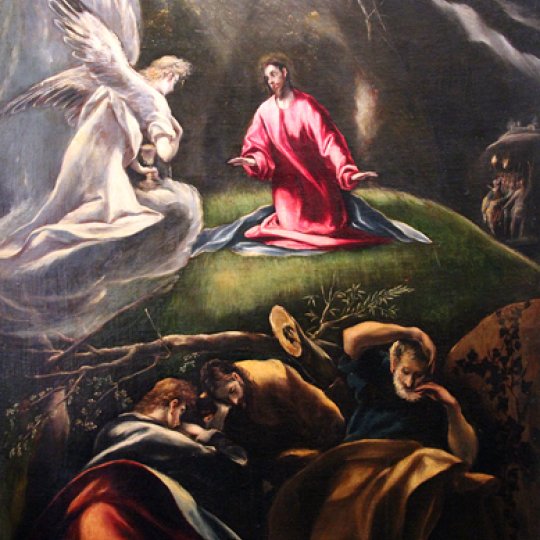
The Agony in the Garden - El Greco

Sucevita Monastery, Romania

Choir of Santa Maria dei Fiore – Donatello

San Carlo alle Quattro Fontane

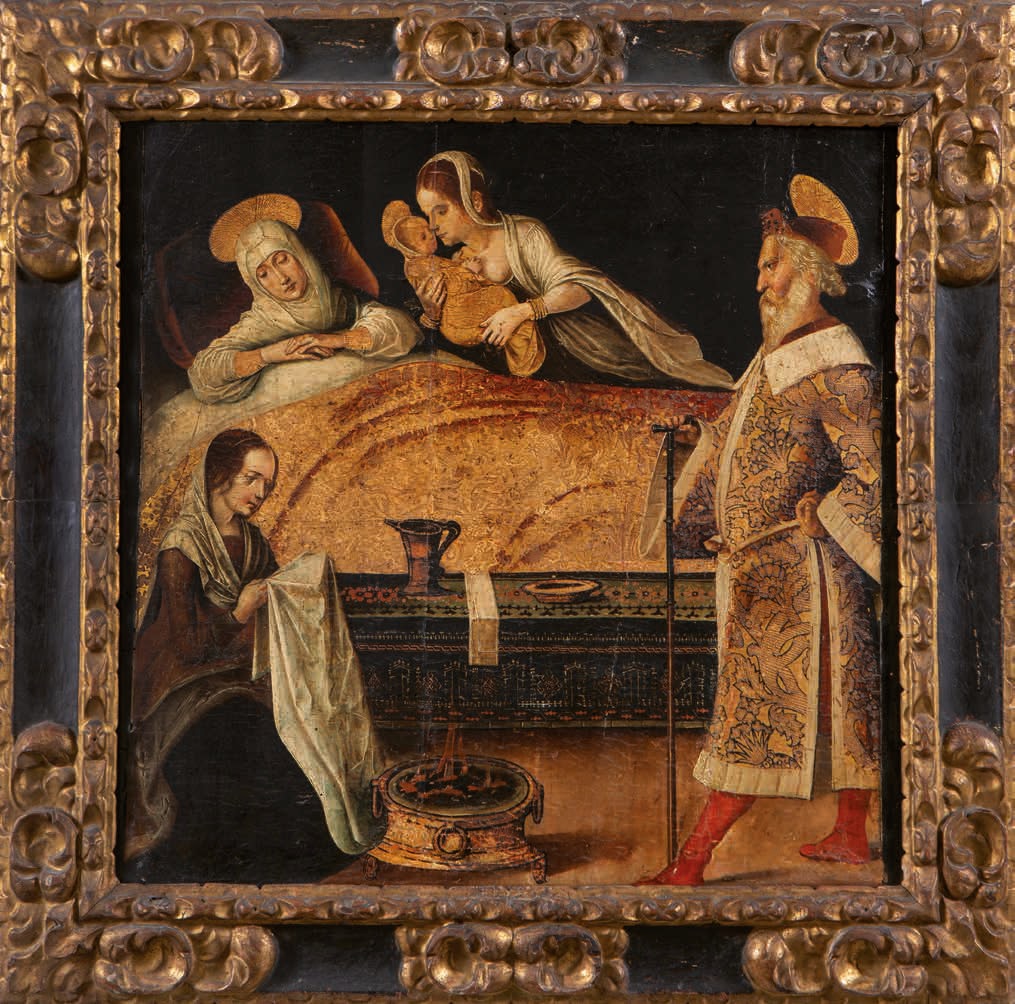
The Nativity of the Virgin Mary

Choir of Santa Maria dei Fiore – Lucca della Robbia

Sant'Andrea al Quirinale

Agnus Dei - Francisco de Zurbarán

Jesús del Gran Poder, Seville – Juan de Mesa

Tempietto di San Pietro in Montorio

Dome of the portico of the Pazzi Chapel – Lucca della Robbia

Madonna di Santa Maria Nuova - Lucca della Robbia

Basilica of Santa Maria Novella, Florence
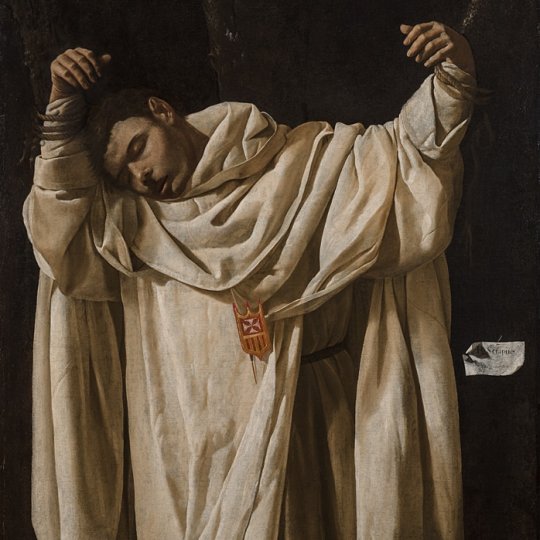
Saint Serapio – Francisco de Zurbarán

Madonna and Child with Angels, Santucce – Lucca della Robbia

Cornaro Chapel

Saint Casilda – Francisco de Zurbarán

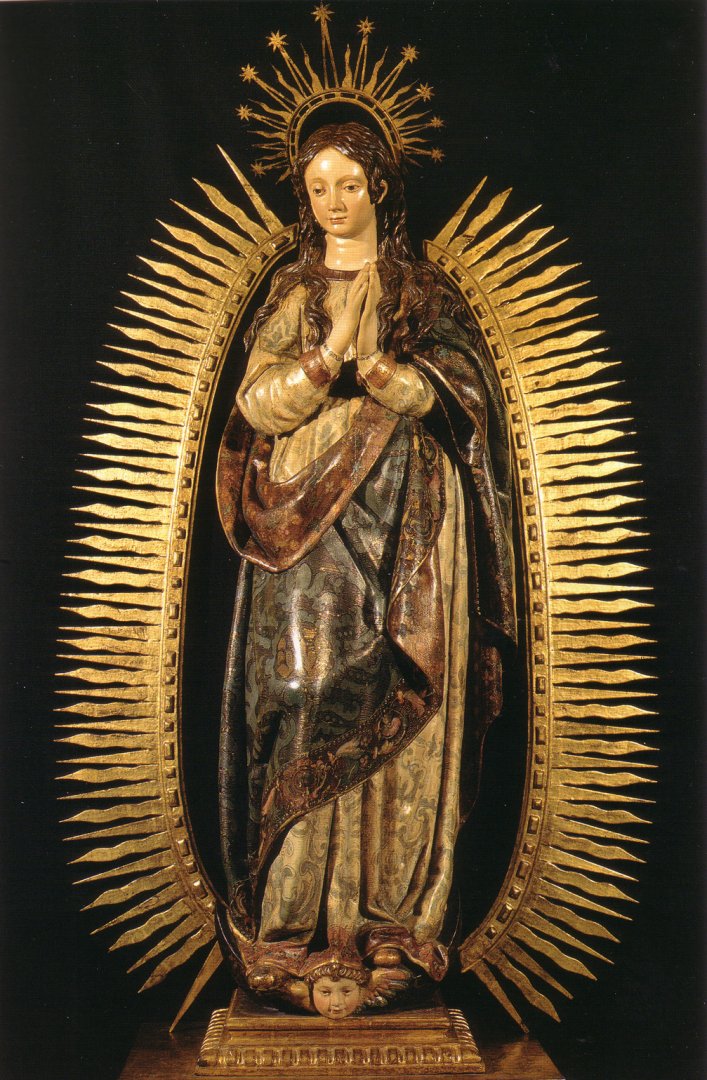
Inmaculada – Gregorio Fernández

Our Lady of Mercy – Francisco de Zurbarán

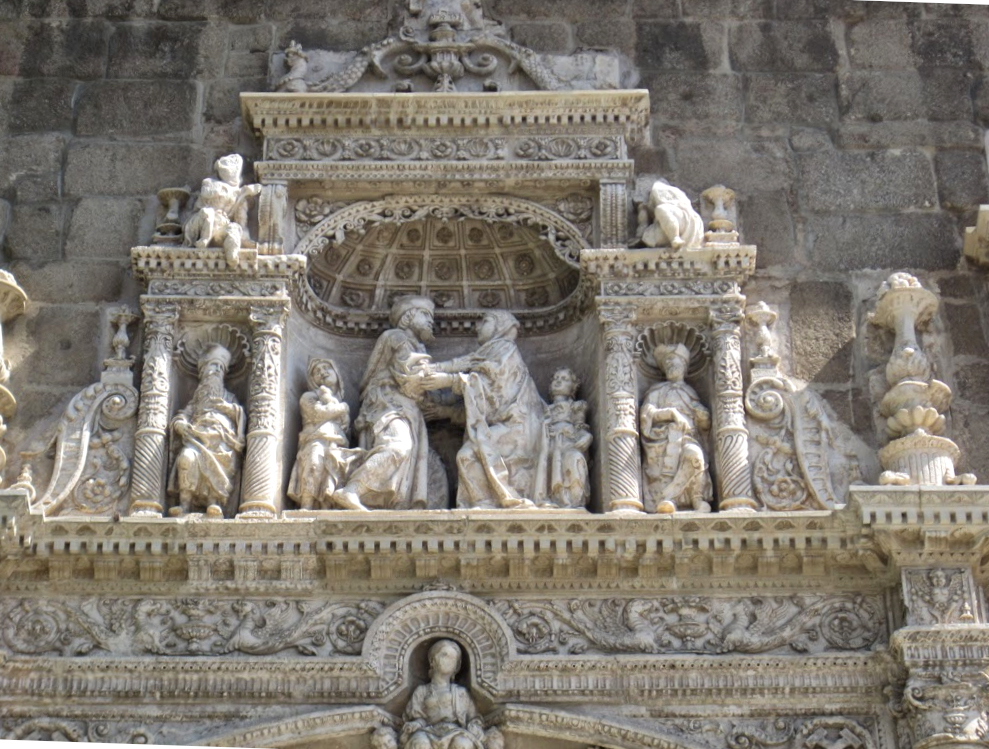
A Hug at the Golden Gate – Santa Cruz Hospital, Toledo

The Crucifixion – Francisco de Zurbarán

The Transverberation of Saint Teresa – Bernini

The Crucifixion – El Greco

The High Altarpiece of Burgos Cathedral
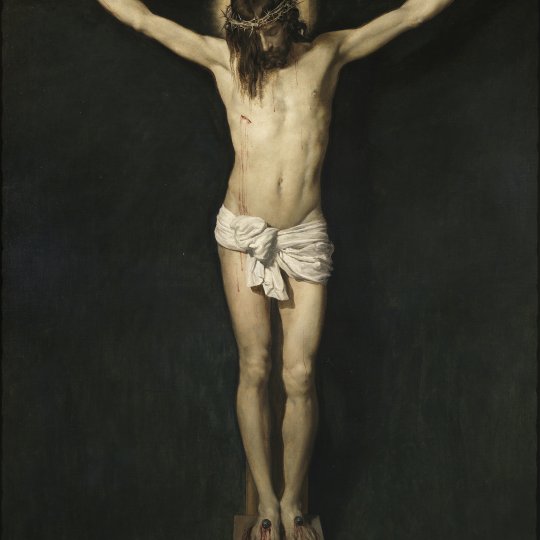
Christ on the Cross – Diego Velázquez
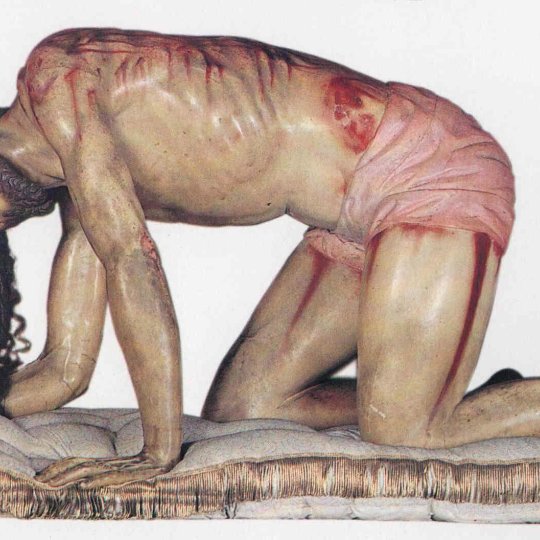
The Flagellation – a colonial sculpture

The Plunder - El Greco

Ecce Homo - Guido Reni
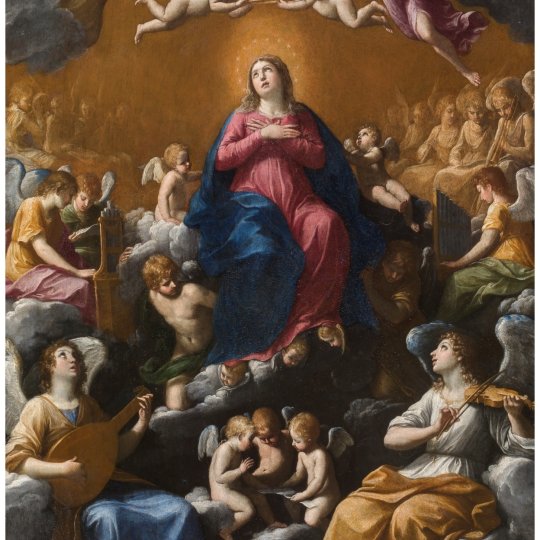
The Assumption of the Virgin - Guido Reni

The Crucifixion – Willem Adriaensz Key

Christ on the Cross – Saint John of the Cross

The Return of the Prodigal Son – Rembrandt

The Calling of Matthew – Rembrandt

The Calling of Saint Matthew – Caravaggio

The Holy Family with the Lamb – Raphael Sanzio
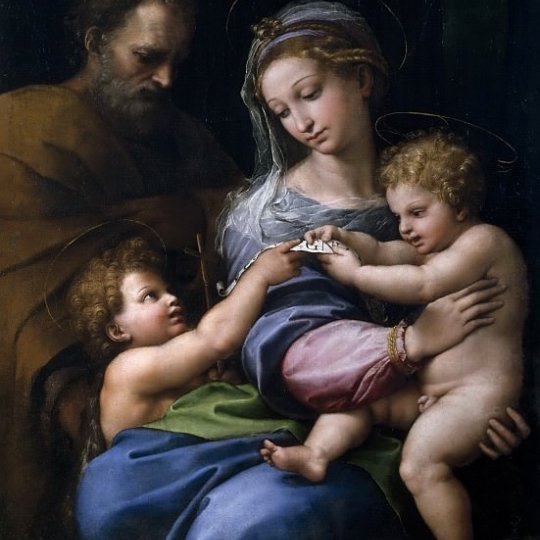
The Holy Family with the Young Saint John – Raphael Sanzio
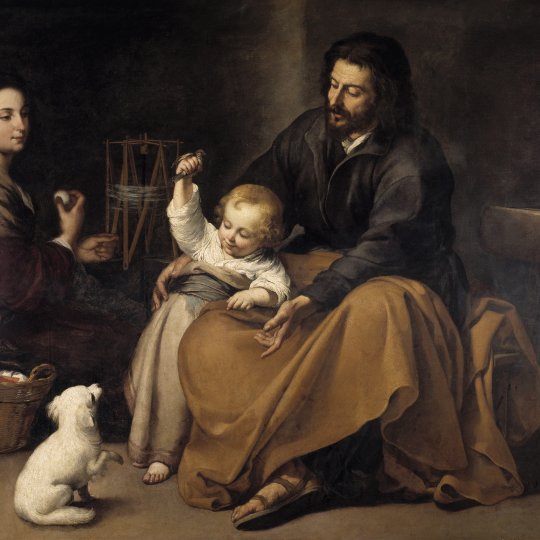
The Holy Family with the Little Bird - Murillo

The Virgin and Child - Murillo

Dome of Sant’Andrea, Mantua – Paolo Pozzo
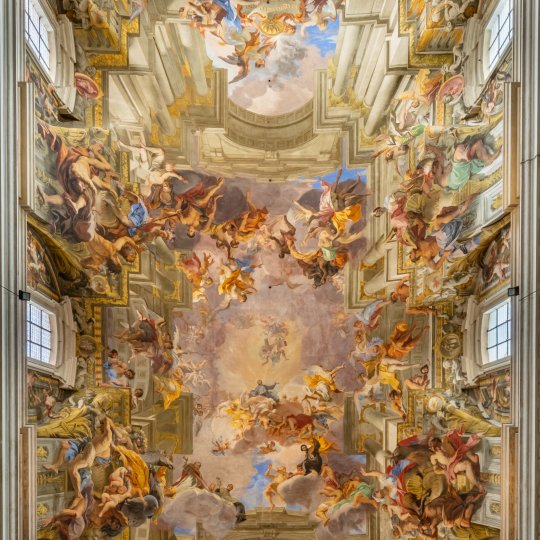
The Apotheosis of Saint Ignatius – Andrea Pozzo

The Annunciation – Carl Bloch

Church of St Charles Borromeo, Karlskirche, Vienna
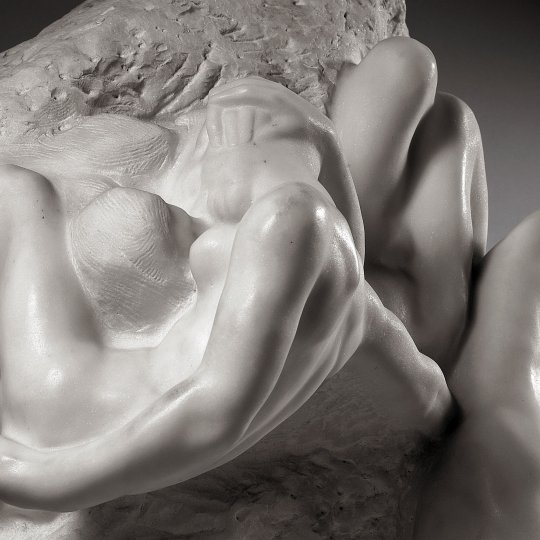
The Hand of God – Auguste Rodin

The Flagellation – Carl Bloch

Basilica of Loyola

Christ and Mary Magdalene

Saint Teresa of Ávila

Basilica of El Pilar, Zaragoza

The Gates of Hell – Auguste Rodin

Melk Abbey, Austria

Lamentation over the Dead Christ – Mengs

The Carthusian Monastery of Granada

The Holy Family – Mengs

Westminster Cathedral

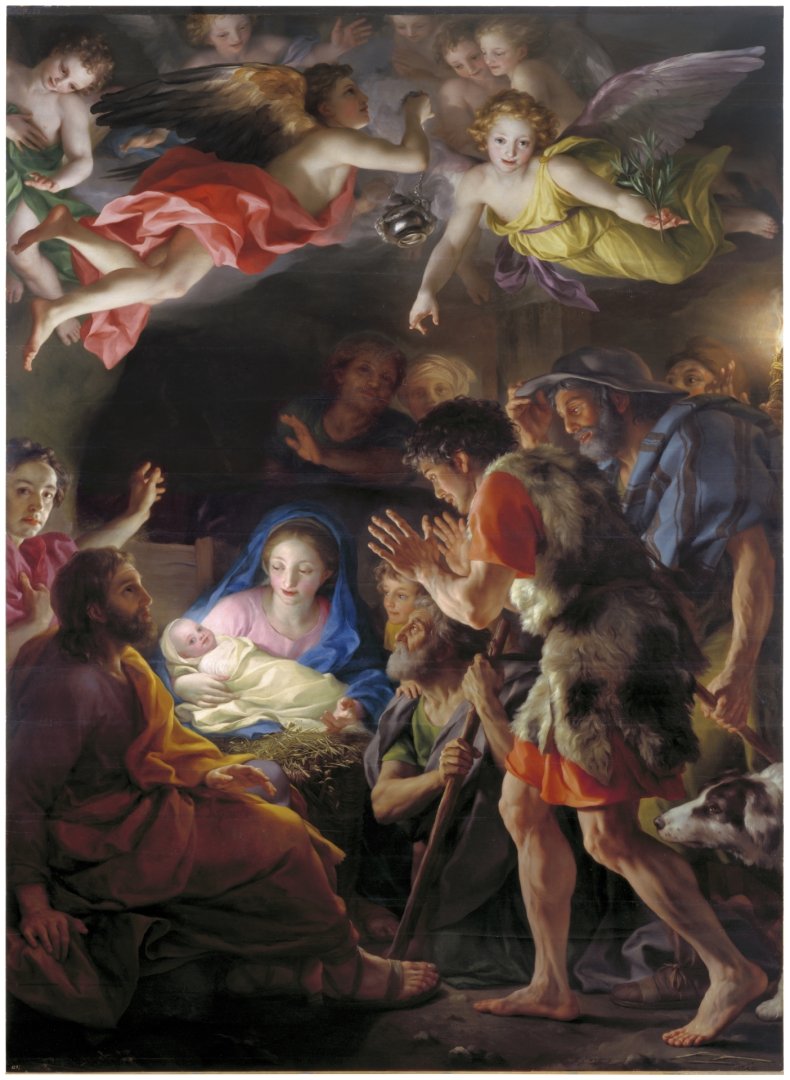
The Adoration of the Shepherds – Mengs

Church of the Miraculous Medal, Paris

Christ on the Cross – Goya

Shrine of Lourdes

The Last Communion of Saint Joseph Calasanz – Goya

Church of Sant’Andrea, Mantua – dome

Agony in the Garden - Frans Schwartz

Royal Oratory of the Knight of Grace

Ángelus - Jean Francois Millet

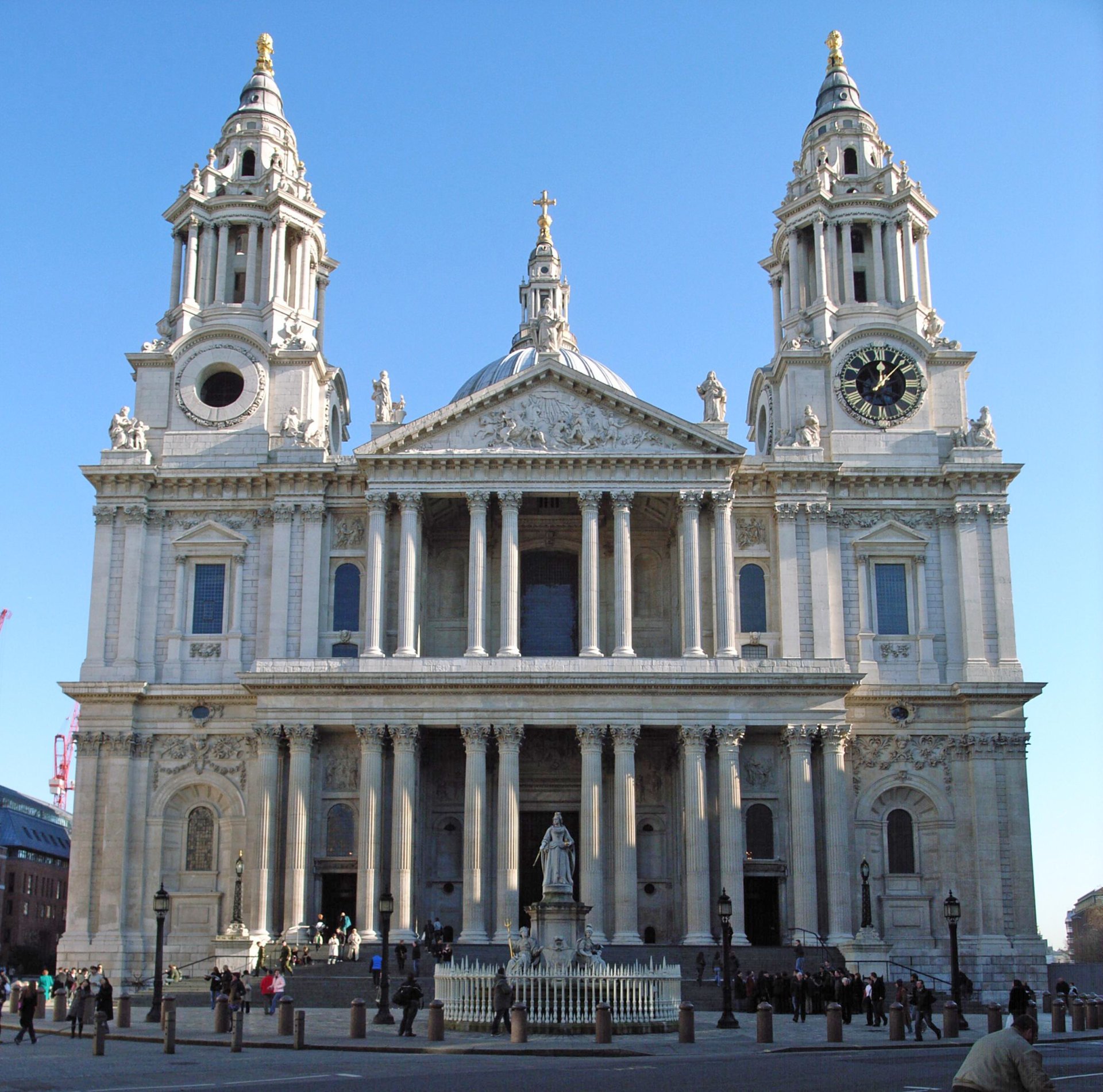
St Paul’s Cathedral, London

The Marías at the Tomb – Federico Madrazo

St Stephen Walbrook, London

Image of Jesus Christ – Karl Wilhelm Diefenbach

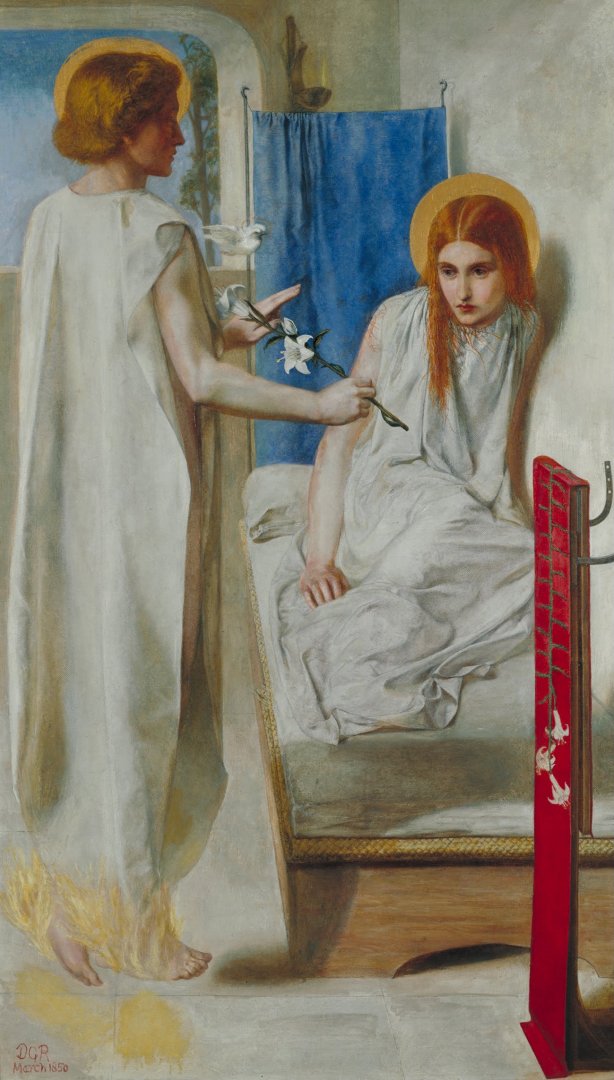
The Annunciation – Gabriel Rosetti
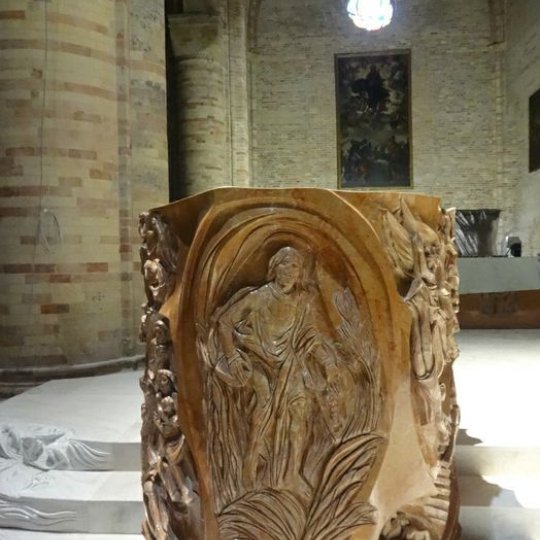
Pulpit - Mario Toffeti
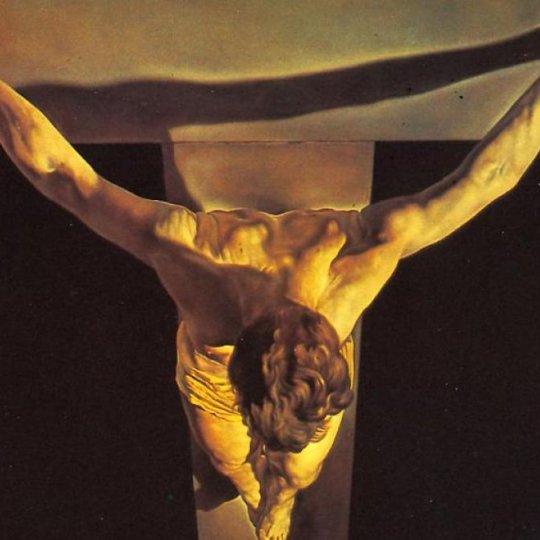
Christ on the Cross – Salvador Dalí

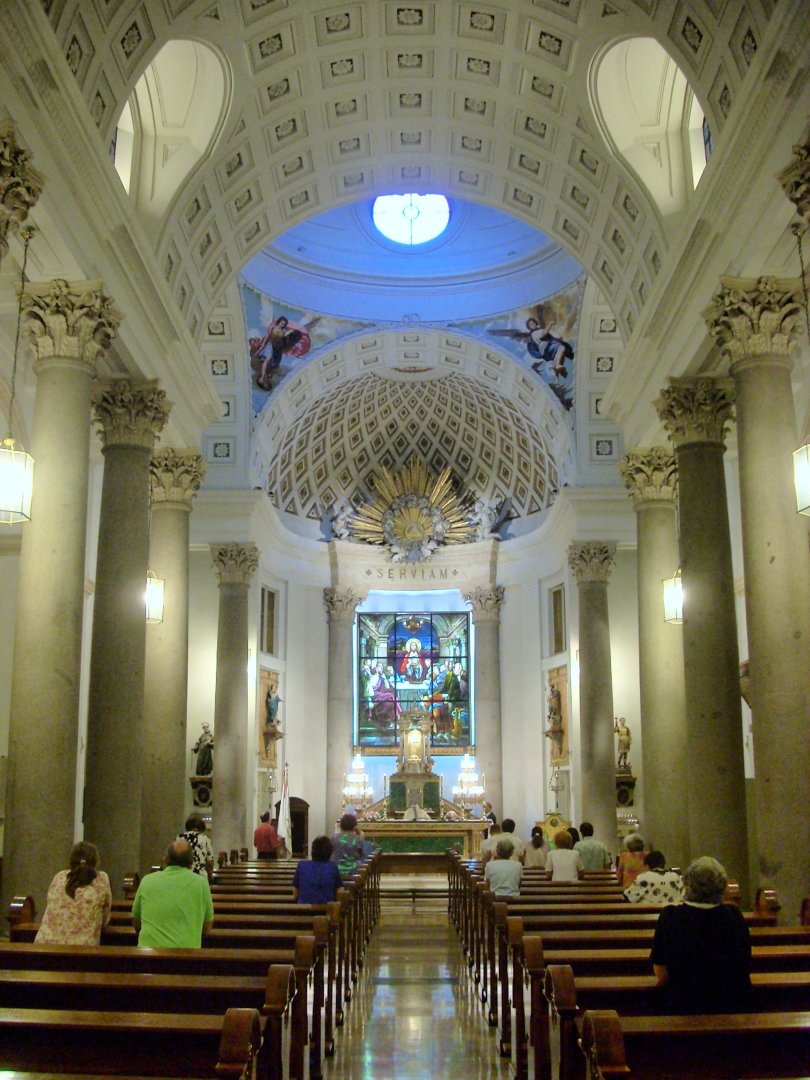
The tabernacle of San Salvador Cathedral

Arka Pana, Nova Huta, Cracovia
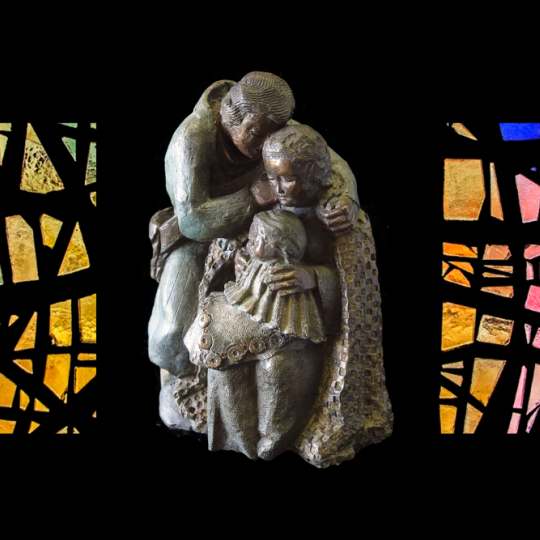
Holy Family - Domingo Iturgaiz O.P.

Sagrada Familia, Barcelona
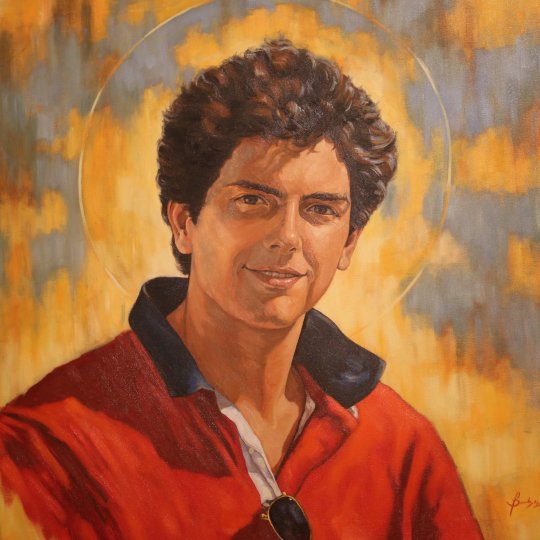
Saint Carlo Acutis – Rodrigo Banda Lazarte
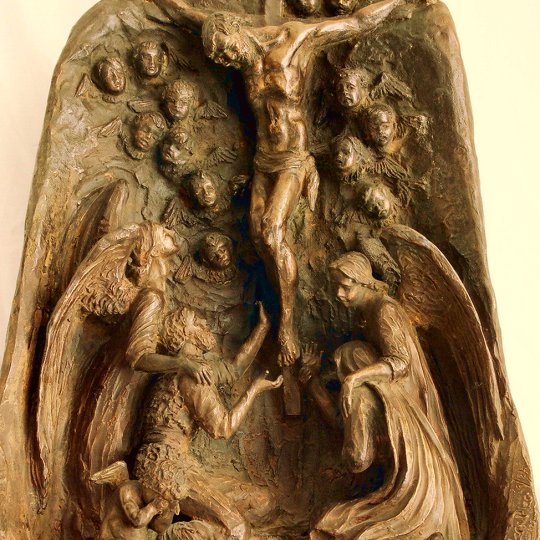
Calvary - Elena Pilar

Archangels - José Antonio Ochoa

Shrine of Aránzazu, Guipúzcoa

The Nativity - Elena Pilar

Hail, gentle cleft – Erika Stenkrona

Shrine of Fátima

Mother of Hope - Javier Viver

San Giovanni Rotondo – crypt

Altarpiece in Saint-Malo – Augustin Frison-Roche

Our Lady of Lerma – Javier Viver

Church of the Holy Face

Altarpiece at the Basilica of Aránzazu – Lucio Muñoz

The Virgin and Saint Joseph - Joan Mayné

Crypt – Mario Botta

Mural on the façade of San Salvador Cathedral – Fernando Llort

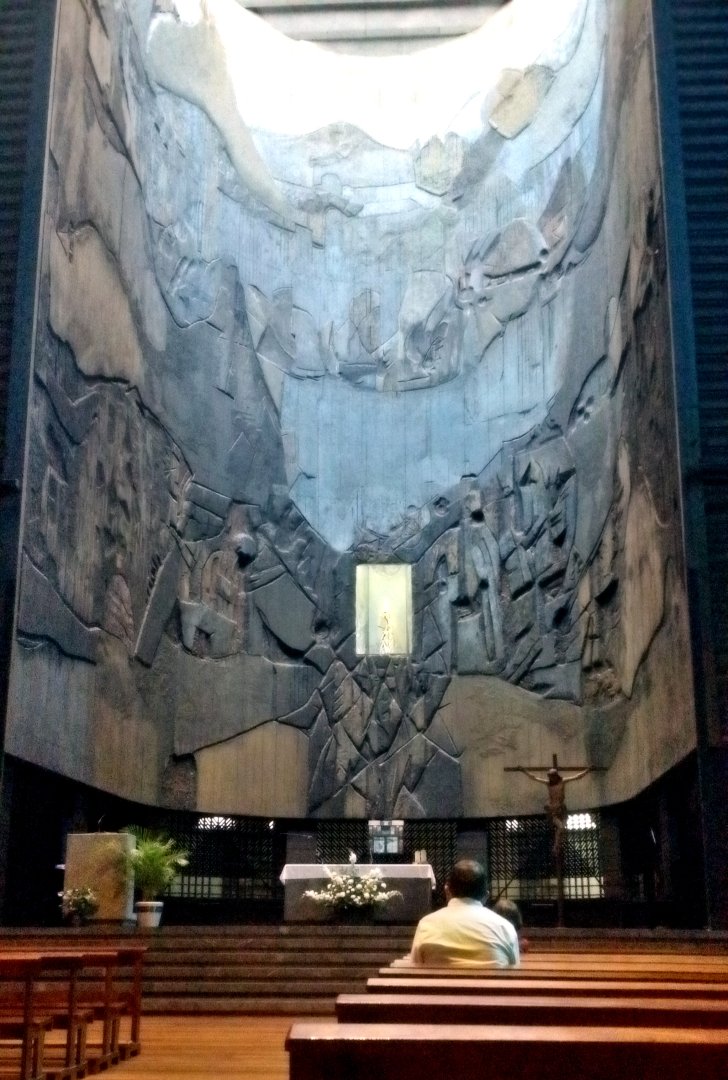
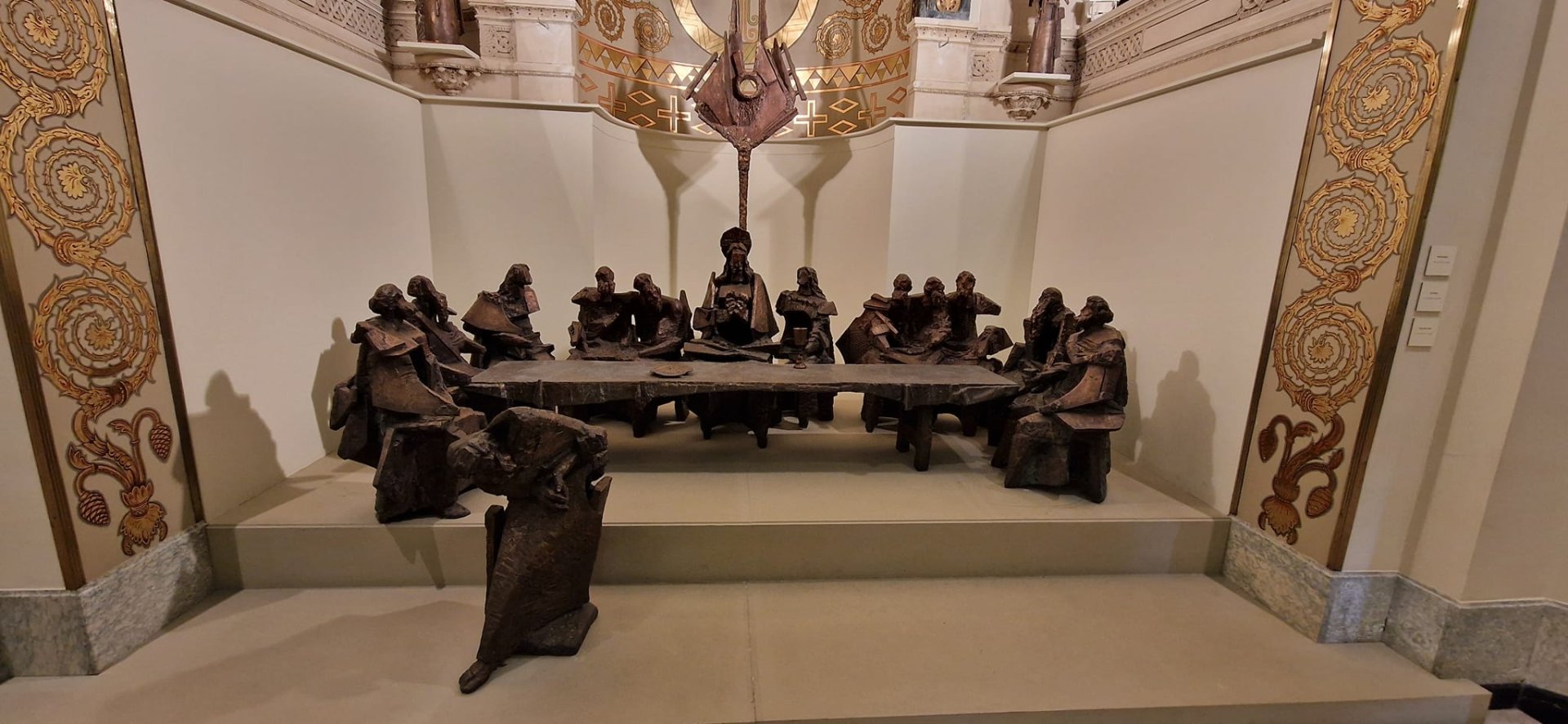
The Last Supper – Venancio Blanco

Torreciudad Sanctuary

Rothko Chapel, Houston
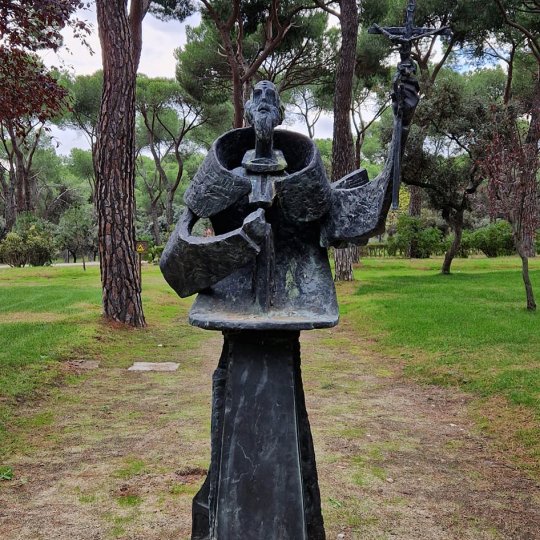
Saint John of the Cross – Venancio Blanco

Chapel of Christ in Friuli, Italy

Face - Javier Margarit

Our Lady of All Joy, Grigny

The San José Workshop – Marieta Quesada

The Resurrection – Pericle Fazzini – Nervi Hall, Vatican City

Retiro Chapel

Adoration of the Three Wise Men – Marieta Quesada

The Prophet – Pablo Gargallo

Chapel in Mallorca

Holy Trinity - Raúl Berzosa

The Christ of Torreciudad – Pasquale Sciancalepore

Chapel, Faculty of Communication, São Paulo

The Calvary - Raúl Berzosa

The Mother of Beautiful Love – Pasquale Sciancalepore

Chapel of St Albert the Great

The Christ of Humility and Patience – Raúl Berzosa

Apostles Basilica of Aránzazu – Jorge Oteiza

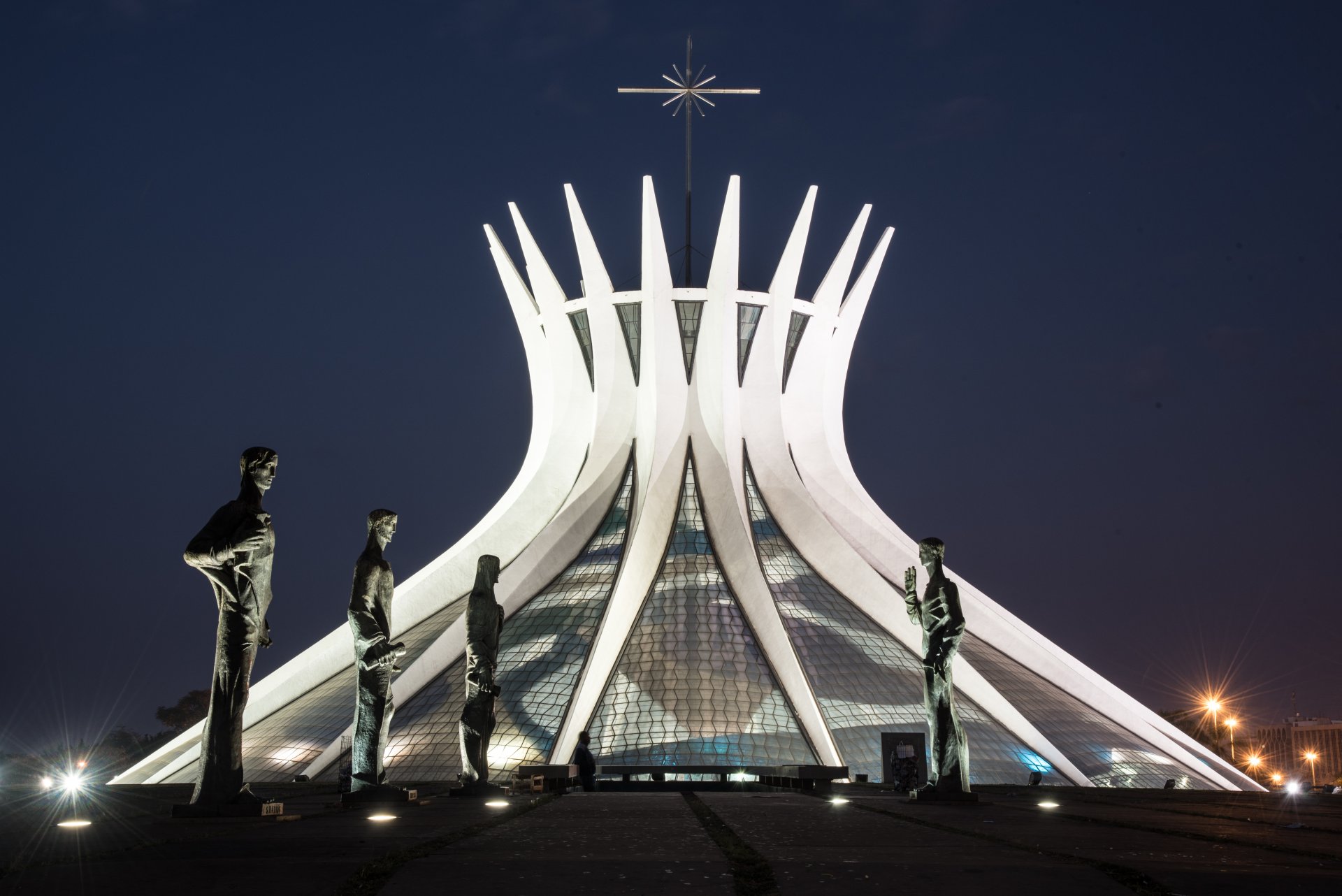
Brasília Cathedral
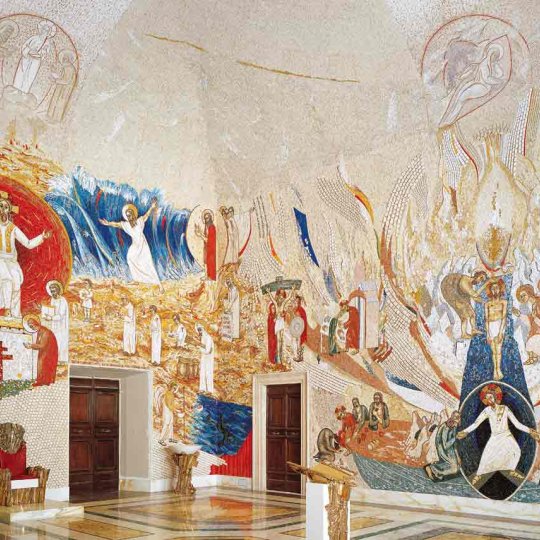
Redemptoris Mater Chapel, Vatican – Marko Rupnik

The Altarpiece of Torreciudad – Joan Mayné
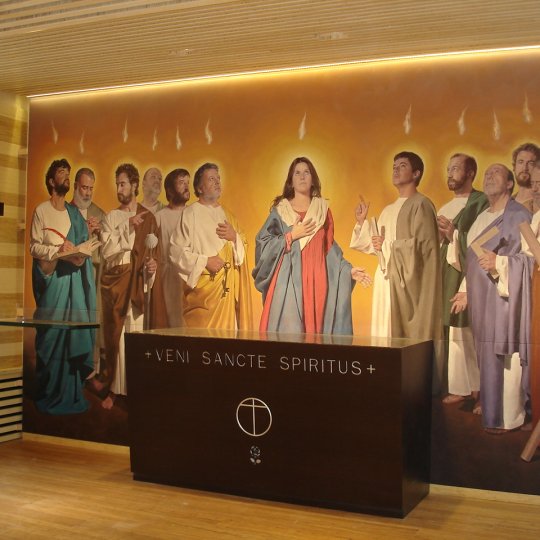
Pentecost – Jorge Pérez Parada

St Mary’s Cathedral, Tokyo
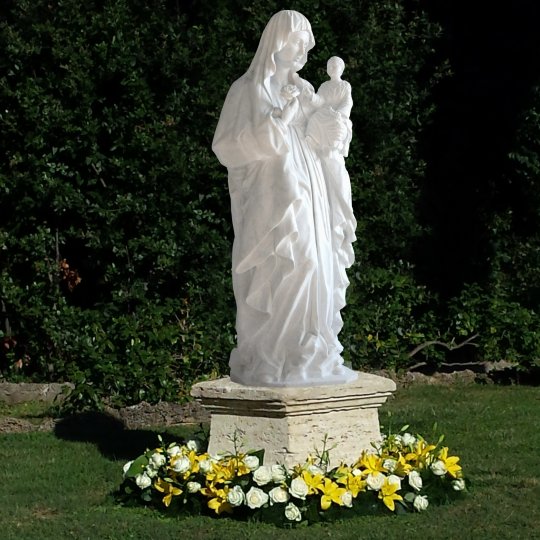
Our Lady of Antigua, Vatican Gardens – José Antonio Navarro Arteaga

St Francis’s Cathedral

The Seduced Cardinal – Giacomo Manzú

Church of Saint Josemaría Escrivá, Mexico

Christ – Nic Fiddian-Green

Los Angeles Cathedral

St Matthew, Cathedral of San Salvador – Mariano Nieto

Riberas de Loyola Parish, San Sebastián

The Virgin and Child - Marta Sagardoy

Church of Our Lady of the Rosary of the Philippines, Madrid

Christus, lumen de lumine - Javier Margarit

Church of St Clare

Crist de Llautó - Javier Margarit
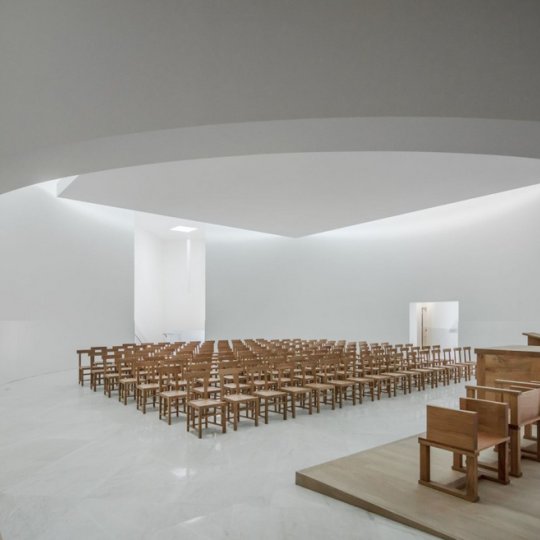
Church of Saint-Jacques de la Lande

Crist nº 1 - Javier Margarit

Church of San José, Adeje

Crist nº 2 - Javier Margarit

Church of the Holy Family, Oulu, Finland

Holy Family - Javier Margarit
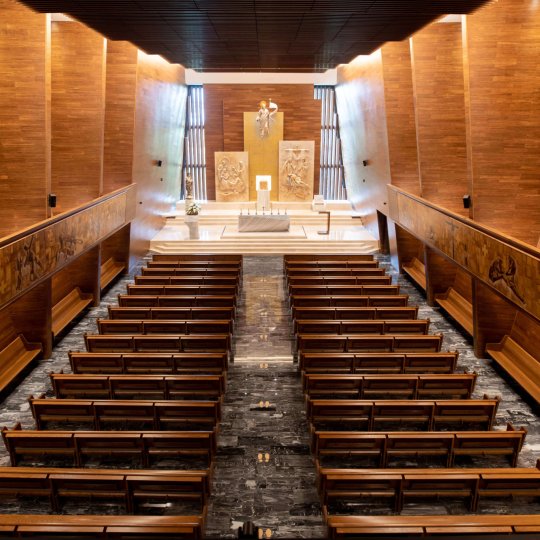
Church in Concepción County, Guatemala
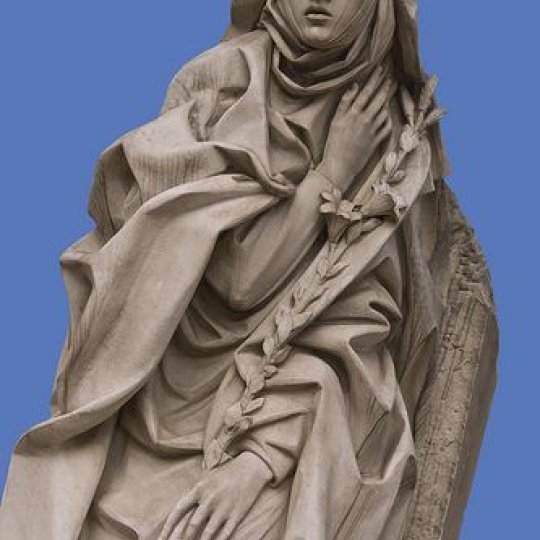
Saint Catherine of Siena – Francesco Messina

Church of God the Merciful Father, Rome

The Beheading of St John the Baptist – Ana María Pacheco

Church of the Light, Tokyo

The Archangel Saint Michael and the Dragon - Cristine Stadler

Church of Our Lady of the Light, Madrid

Resurrection - Comploi Thomas
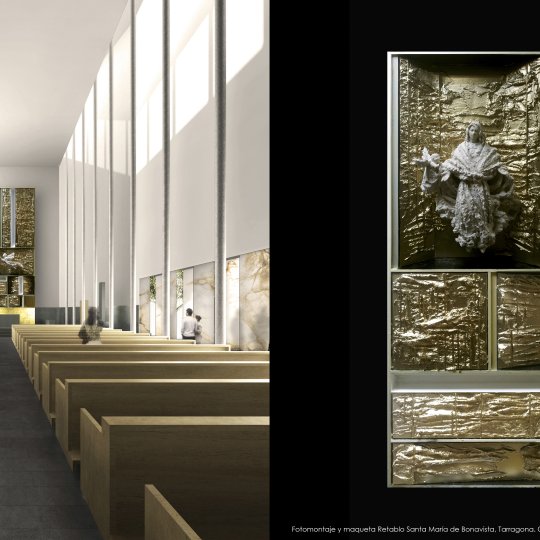
Church of Santa Maria de Bonavista, Tarragona

The Crucifixion – Romano Cosci

Church of Santiago de Antás

Church of the Apostolic College of the Dominican Fathers, Valladolid

Church of the Most Holy Redeemer, Las Chumberas, Tenerife

Saint Francis de Sales Church, Muskegon

Chapel of the University of Navarra Clinic, Madrid

St Josemaría Escrivá Parish, Burgos

St Stephen’s Parish, Gorraiz, Navarre

St Peter the Martyr Parish, Alcobendas

Parish in Pueblo Serena

Rothko Chapel, Houston




Las vidrieras de la catedral de Chartres se consideran las más valiosas y significativas de la época medieval. Una de ellas es la que han llamado “Notre-Dame de la Belle Verrière” -Santa María de la Bella vidriera-, porque existe un consenso entre los artistas vidrieros de que esta vidriera es la mejor imagen de la Virgen que se ha realizado en vidriera a lo largo de la historia.


En los comienzos del cristianismo, la celebración de la Eucaristía tenía lugar en casas privadas que algunas familias cristianas –habitualmente las que contaban con mayores medios económicos y, por tanto, con viviendas más amplias– ponían a disposición de la comunidad. Eran las primitivas iglesias domésticas o domus ecclesiae. En Roma, el primer templo cristiano que se edificó fue la basílica Lateranense, consagrada por el Papa Silvestre I en el año 318. Una inscripción en latín nos indica: «Omnium ecclesiarum Urbis et Orbis mater et caput», que significa "Madre y cabeza de todas las iglesias de la ciudad y del mundo". Durante bastantes siglos, hasta el periodo de Aviñón, allí estuvo la cátedra papal, por lo que esta basílica mereció el título de mater et caput ecclesiarum, madre y cabeza de todas las iglesias.
Su historia comienza a principios del siglo IV, poco después de la conversión del emperador Constantino al cristianismo. El terreno sobre el que se levanta perteneció originalmente a la familia Laterani, una acaudalada familia romana que cayó en desgracia bajo el reinado de Nerón. Después de que un miembro de la familia, Plautius Lateranus, fuera acusado de conspiración, el emperador Nerón confiscó la propiedad en el siglo I. La propiedad siguió perteneciendo al emperador romano, y en ella se edificó un cuartel de la guardia privada del emperador. Tras la conversión de Constantino y su edicto del año 313 d.C., ese mismo año cedió esos terrenos al Papa. En este lugar, Constantino construyó la primera gran iglesia pública de la historia cristiana, dedicada inicialmente a Cristo Salvador (Sanctissimus Salvator). Con el tiempo, se dedicó también a San Juan Bautista y San Juan Evangelista, de ahí el nombre que conocemos hoy.
La basílica de Letrán se convirtió en el símbolo visible de la salida del cristianismo de la persecución a la luz del favor imperial. Sus muros, reconstruidos y restaurados en numerosas ocasiones, conservan el recuerdo de aquel momento en que la fe de un pueblo, antaño perseguido, se convirtió en la fe de un imperio. Esta basílica nos recuerda la importancia de reforzar nuestra comunión con la sede de Pedro y nos invita a profundizar en el significado que tienen en la vida cristiana los edificios sagrados, espacios dedicados exclusivamente al culto. Las iglesias visibles son símbolo de la Iglesia invisible, formada por todos los bautizados como «piedras vivas y elegidas», llamados a alcanzar, por la santidad de su vida, la morada definitiva en la Jerusalén del cielo.




The Scrovegni Chapel in Padua, decorated with frescoes between 1303 and 1305 by Giotto at the request of Enrico degli Scrovegni, is one of the masterpieces of Western art in Italy and Europe. The chapel’s pictorial cycle is organised around three main themes: episodes from the lives of Joachim and Anne, episodes from the life of Mary, and episodes from the life and death of Christ. It is a pictorial journey that blends colour and light, poetry and pathos, the human and the divine, nature and faith, in a unique and inimitable style that revolutionised Western art forever.
Seven centuries ago, during the first Jubilee Year (1300), the foundation stone was laid for the chapel that Enrico Scrovegni, a wealthy banker and merchant, wished to build as the crowning glory of his new home in Padua. To embellish the building, intended to house his own tomb and those of his descendants, Enrico commissioned two of the greatest artists of the time. Giovanni Pisano, whom he commissioned to sculpt three marble statues of the Virgin and Child flanked by two angels, and Giotto, who was asked to paint the walls and ceiling in fresco.
Giotto was already an established artist: he had worked for the Pope at the Basilica of Saint Francis in Assisi and the Basilica of Saint John Lateran in Rome, and in Padua at the Basilica of Saint Anthony and the Palazzo Comunale (Town Hall), also known as the Palazzo della Ragione. For the Scrovegni Chapel, Giotto was commissioned to depict a series of stories from the Old and New Testaments, culminating in the Crucifixion and Resurrection of Christ, and the Last Judgement. The aim was to encourage visitors to the chapel to meditate more deeply on Christ’s sacrifice and the salvation of humanity.
Giotto designed an architectural structure in imitation of painted marble to support the vault, decorated to resemble a starry sky, with framed scenes depicting episodes from the lives of the Virgin Mary and Christ on the walls. The entire project was completed in a short space of time and, in 1305, after just two years of work, the chapel was consecrated for the second time (the first having taken place upon completion of the building).
Very little is known about the history of the chapel from then until the 19th century, when it was left almost in ruins as a result of its new owners’ lack of interest. The portico on the façade collapsed and the house built by Enrico was demolished. These events had a disastrous effect on the chapel, whose left-hand side and façade were left unsupported and exposed to the elements. Meanwhile, the building had passed into the hands of the Town Council (1881), which took measures to prevent further loss and damage. However, the building and its frescoes had already suffered severe deterioration. Major restoration work was carried out at the end of the 19th century and again in the 1960s.
More recently, a new problem has arisen: damage caused by air pollution, which is causing the painted surfaces to crumble. To decide what measures to take, a series of scientific studies was carried out over several years. The results showed what could be done to halt the deterioration and, just as importantly, how to prevent further damage in the future. Urgent restoration work was carried out and, on 31 May 2000, a special technical system – a sort of ‘artificial lung’ – was installed. This special air-conditioned environment now purifies the air inside the chapel and continuously monitors its atmosphere, in order to protect these unique frescoes, some of the most important of all time. It took almost a year to verify that the environmental control system was functioning correctly, after which further restoration and conservation work could be planned.


Esta espléndida Anunciación fue pintada alrededor de 1333 por Simone Martini y su cuñado Lippo Memmi, para el altar de San Ansano en la catedral de Siena. Se trata de un tríptico con fondo dorado y ornamentación gótica, de 184 x 114 cm, pintado al temple sobre tabla. La Virgen y al arcángel San Gabriel ocupan la zona central y en los extremos santa Margarita y San Ansano. También hay 4 profetas representados en los tondos. Una inscripción latina, situada en la base del marco, indica el nombre de los autores. Se desconoce qué es lo que se debe atribuir a cada uno de los pintores; algunos mantienen la hipótesis de que la escena de la Anunciación es de Simone y los dos santos y los tondos de Lippo.
La pintura es considerada una absoluta obra maestra y uno de los grandes ejemplos de la pintura Gótica Sienese, caracterizada por la maravillosa elegancia de las líneas y del color. El Arcángel acaba de tocar el suelo delante de la Virgen como lo demuestran el despliegue de sus alas y su manto todavía en movimiento. La escena es casi teatral: con el saludo del ángel, la Virgen se retrae casi sorprendida y asustada por la repentina aparición. Este movimiento, recatado y elegante se suma al efecto de extrema sofisticación de la obra. El retablo tiene el fondo dorado, ligado aún a la tradición y todavía solicitado en las representaciones sagradas.
Los artistas además de pintar el tema solicitado por los clientes, solían agregar algunos detalles que hicieran que la composición fuera más realista. Simone Martini incluyó algunos detalles encantadores en la escena principal como el suelo de mármol, el manto del arcángel, el jarrón de lirios, el libro medio cerrado de María y su trono, todo lo cual sugiere un espacio real, aunque penalizado por el fondo dorado.
Las vestiduras de los cuatro personajes toman forma gracias a las líneas decorativas y serpenteantes típicas de la escuela de Siena. La pintura representa plenamente el gusto por la belleza, la suavidad de las líneas y colores, propias de la pintura de Siena, justo lo opuesto al estilo Florentino, más relacionada con el volumen y la forma.
Esta obra se puede contemplar en la Gallería degli Uffici de Florencia.
Ref: web de Gallería Uffici


I find the west façade of Rouen Cathedral to be one of the most astonishing and spectacular architectural achievements ever built over the centuries. It is striking enough that, right in the middle of the 15th century, such exquisite lace-like work was created using stone, but what is truly surprising and unique is that these stone lace patterns are layered on top of one another two or even three times. The result is marvellous, thanks to the sense of transparency it creates, and especially because of the interplay of light and shadow that occurs when the sun’s rays pass through these stone carvings, creating a unique atmosphere of moments that can never be repeated.
Claude Monet was captivated by this spectacle and, between 1892 and 1894, painted no fewer than 31 pictures of this façade, capturing the changes in light that occurred at different times of day. He worked on the street and from rooms in the house opposite the cathedral. Each painting is different, as the cathedral’s stone also changes colour with the light in the various environmental conditions that occur throughout the year. “Every day I discover something I hadn’t seen the day before… In the end, I’m trying to do the impossible,” he said.
Joaquín González-Miranda

Abbot Suger (1081–1151) is regarded as the founder of the Gothic style. Between 1135 and 1144, he renovated the church of the Abbey of Saint-Denis, near Paris; there he put his architectural principles into practice, which were linked to a theological approach, making Saint-Denis the first church in the Gothic style. The new style spread rapidly throughout France and across Europe.
In his treatise ‘De Administratione’, he writes: ‘In my view, objects, especially those used for the administration of the Holy Eucharist, must always be appropriate... And to preserve the Blood of Christ with reverence and complete devotion, I believe that vessels made of gold and precious stones, or whatever is most valuable that can be found in creation, should be used.’ This is physically reflected in the chalice that the abbot used at Saint-Denis.




Titulo


Saint-Denis is regarded as the first church to be built in the Gothic style. Abbot Suger pioneered this new style by transforming the former Carolingian church, where Saint Denis, the first Bishop of Paris, and many of the kings of France were buried. The large numbers of people flocking to certain ceremonies at the Benedictine abbey made it necessary to enlarge the church; furthermore, the abbot also wished to give greater prominence to the relics of Saint Denis. Suger’s main contribution was to bring together a set of architectural solutions – which had previously been used in isolation – and to imbue them with the stylistic unity and spiritual significance that define the Gothic style. The work was carried out between 1135 and 1144.
Pointed arches and ribbed vaults had already been used in Durham Cathedral (1093–1133). There are also pointed arches in the Cathedral of Saint Étienne in Sens (1135–1164), where we can even see a rose window on the façade. In Byzantium, the initial technique for stained-glass windows had been developed by replacing the stone in mosaics with pieces of glass; subsequently, these pieces were assembled with lead, thus creating the first freestanding stained-glass windows. By the 10th century, stained-glass windows had already been installed—in Reims in 905, and in some Romanesque churches. Suger drew on these technical solutions to imbue them with theological significance: the theology of light.
Suger conceives of the church as a reflection of the heavenly Jerusalem. Drawing inspiration from Rev 21:11–18, he seeks to ensure that the glory of God shines forth from the building; and ‘its splendour is like a most precious gem, of jasper, clear as crystal; its walls were like crystal, a city of pure gold’. For this reason, the stained-glass windows are like precious stones, which shine as the sunlight passes through them and, by analogy, evoke the light of Christ. During the consecration ceremony for the foundations of Saint-Denis, precious stones and gems were set into the walls whilst the choir sang “lapides preciosi omnes muri tui”. The presence of physical light manifests divine beauty—which is Christ himself—and the entire building is imbued with his beauty. Suger wrote: ‘The whole sanctuary is imbued with a most beautiful and continuous light, which enters through the most sacred windows.’ Light was more than a mere symbol of Christ—the true light that enlightens every man (John 1:9); it was also an essential element of the concept of beauty in the Gothic cathedral.
The façade of Saint-Denis evokes the gates of a Roman city. And the entrance to the church is conceived as the passage through the gates of heaven: a gateway separating the realm of men from access to the Kingdom of God. The sculptures on the tympanum above the entrance door depict the Last Judgement, with Christ seated as the divine Judge alongside his apostles, and on either side of him are the wise and the foolish virgins of the Gospel. Above the entrance door is a large inscription inviting visitors to marvel and realise that the door leads to the true light, where Christ is the true door. It reads as follows: ‘All who seek to honour these doors, let them not marvel at the gold and the expense, but at the craftsmanship of the work. Noble work is brilliant, but, being nobly brilliant, the work should illuminate minds, enabling them to journey through the lights to the true light, where Christ is the true gate. The golden gate illustrates how deeply immersed we are in these things. The deaf mind is raised to the truth through material things, and is resurrected from its former immersion when it beholds the light’. Suger encourages us to use the mind’s contemplative capacity to transcend from material realities to heavenly ones.
Suger’s project took place in three stages. In the first (1135–37), the western façade—that is, the main façade—was constructed, featuring two towers, the three doors and the rose window that illuminates the upper chapels. In the second phase (1137–40), the church’s three naves were constructed, with their ribbed vaults; and the body of Saint Dionysius, which had lain in the crypt, was raised to the centre of the transept, adorned with jewels and reliquaries of gold and silver. And in the third, and most important, phase (1140–44), the chancel was built, featuring a double ambulatory and nine radial chapels. It is here that the first two large windows with leaded stained-glass panes appear, illuminating the altar area. The church remains an abbey church and was declared a cathedral in 1966. It is 108 metres long and its vaults are 29 metres high. The transept is illuminated by two rose windows over 12 metres in diameter, which served as a model for Notre-Dame de Paris. Around 1844, a fire, caused by a lightning strike, destroyed the north tower of the main façade. With one tower missing, the façade has become asymmetrical.
In addition to Saint Denis, 28 kings, 20 queens and numerous important figures from France are buried here. The royal tombs were desecrated in 1793 and the remains were buried in a mound. In 1805, Napoleon Bonaparte ordered a restoration of the royal necropolis, which was subsequently completed by Louis XVIII in 1816.










This fresco by Tommaso di Ser Giovanni di Simone Cassai, better known as Masaccio, is one of the most important works of the Italian Renaissance, as its introduction of linear perspective marked the beginning of one of the new pictorial characteristics of the Renaissance. Painted in 1428, it measures 680 x 475 cm and is situated on a side wall of the Basilica of Santa Maria Novella in Florence.
In the 1420s, Florence was a city made wealthy by trade, where an intellectual elite—including Coluccio Salutati and Leonardo Bruni—advocated for the centrality of man in the cosmos and a taste for classical antiquity. Masaccio joined this movement, acting as the artistic catalyst for the innovations already evident in sculpture and architecture. He was a close friend of Brunelleschi, and in this fresco he applied the principles of perspective developed by his friend. By placing thevanishing point of the painting at the viewer’s eye level, he succeeds in emphasising the realism of the work. Vasari comments: ‘What is truly beautiful, apart from the figures, is a barrel vault drawn in perspective, divided into squares filled with rosettes, which diminish and shrink so skilfully that it seems as though the wall has been pierced.’
The fresco features two clearly distinct areas, arranged vertically. In the upper section is the Holy Trinity. It is framed by a chapel inspired by Roman triumphal arches, with a barrel vault divided into coffers and supported by Ionic columns, which are in turn flanked by pilasters supporting an entablature. There is no longer any landscape; the setting of the scene is exclusively architectural, and the figures are arranged on various steps. Masaccio depicts Jesus crucified at the centre of the composition; behind him, God the Father stands, supporting the Cross, and the Holy Spirit, in the form of a dove, between them. The Virgin Mary and Saint John stand on either side of Jesus Christ; and on a lower step, at the sides of the composition, the patrons are depicted on their knees, as is customary.
In the lower section, a point of disruption is introduced – in the composition, though not in the content, as will be explained later. Masaccio depicts an altar on which lies a skeleton, as in an open tomb. It appears that this skeleton is intended to represent Adam. Above this figure is the inscription: ‘Io fu’ già quel che voi siete, e quel ch’io son voi ancora sarete’, which can be translated as: ‘I was once what you are; what I am, you too shall be’. This is where the connection between the two parts of the fresco lies, for it is not merely a reminder of the transience of human life – memento mori – but, above all, of the relationship between Adam’s sin, which is passed on to the whole human race, and the Redemption from sin, accomplished by Jesus Christ on the Cross, which atones for guilt, restores friendship between God and man, and also overcomes death, as St Paul tells the Corinthians: ‘Death has been swallowed up in victory. Where, O death, is your victory? Where, O death, is your sting?’
Masaccio’s painting is sober and realistic. The composition of the upper section – to which the viewer’s attention is drawn, as the lower section is grey in colour and less visually detailed – is pyramidal, and the figures display a serene demeanour. The Virgin looks towards the viewer and, with her hand, points us towards Christ, drawing us into the scene, whilst St John and the donors remain absorbed in an attitude of adoration. All of this serves to focus attention on the Trinity.









Dibujo-reliquia de San Juan de la Cruz
Tinta sobre papel, Monasterio de la Encarnación de Ávila, 1574-1577)
San Juan de la Cruz realizó este dibujo entre 1574 y 1577 tras un éxtasis en el que el santo vio a Jesús Crucificado. Es el único dibujo del santo carmelita español, que se conserva como una reliquia en el Monasterio de la Encarnación de Ávila. En él transmite el recuerdo de cómo se le mostró el Señor, en esa perspectiva desde lo alto, tan insólita, que impresionó fuertemente a Salvador Dalí y le sirvió de inspiración para el cuadro que luego pintó. Corrían los días posteriores a la Navidad de 1948 y el artista catalán, después de regresar de Italia, quiso emprender un viaje al interior de Castilla y León, visitando aquel monasterio donde, además de San Juan de la Cruz, también Santa Teresa de Jesús había vivido experiencias místicas más asombrosas que el mismo surrealismo. Dalí quedó tan impresionado que se sintió impulsado a establecer una amistad con el padre carmelita Bruno de Jésus-Marie, visitándolo frecuentemente en París, para descubrir, gracias a sus estudios, el camino de la Noche Oscura del amor, que San Juan de la Cruz describe en sus textos como el camino más directo que un alma puede seguir para alcanzar la perfecta unión con Dios.
Juan de la Cruz, cuyo nombre de pila era Juan de Yepes Álvarez, nació el 24 de junio de 1542, hijo de un matrimonio muy pobre de Castilla la Vieja, cerca de Ávila. Tenía dieciocho años y salía del Colegio de los Jesuitas de Medina del Campo, donde había estudiado ciencias humanas, retórica y lenguas clásicas cuando corría el año 1563. Enseguida se dio el encuentro con Teresa de Jesús que cambio la vida de ambos. Juan la conoció de sacerdote y enseguida fue involucrado y fascinado por su plan de reforma del Carmelo, también en la rama masculina de la Orden. Trabajaron juntos compartiendo ideales y propuestas y juntos inauguraron la primera casa de Carmelitas Descalzos, en 1568, en Duruelo, en la provincia de Ávila. Fue en esa ocasión que, formando junto a otros la primera comunidad masculina reformada, San Juan adoptó el nuevo nombre, “de la Cruz”, con el cual será conocido universalmente. Hacia finales de 1572, por pedido de Santa Teresa, Juan de la Cruz se hizo confesor y vicario del monasterio de la Encarnación de Ávila, donde la Santa era priora. Pero no todo fue fácil: la adhesión a la reforma implicó al Santo la encarcelación por diversos meses a causa de acusaciones injustas. Logró escapar de modo intrépido, gracias a la ayuda de Santa Teresa, y después de haber recuperado las fuerzas, inició un largo camino de encargos hasta su muerte, después de una larga enfermedad y enormes sufrimientos.
San Juan se despidió de sus hermanos mientras recitaban el Oficio matutino en un convento de Úbeda, cerca de Jaén, entre el 13 y 14 de diciembre de 1591. Sus últimas palabras fueron: “Hoy voy a cantar el Oficio en el cielo”. Es uno de los más importantes poetas líricos de la literatura española y en su vasta y profunda doctrina, describe un camino seguro para alcanzar la santidad, el estado de perfección a la cual Dios nos llama a todos nosotros. El Santo español imaginaba este camino como subir una montaña, a lo largo de la cual el hombre debe afrontar con valentía y paciencia una “purificación” profunda de los sentidos y del espíritu, como atravesando una noche para llegar a amar a Dios como centro y fin de la vida. Una de sus frases más celebres al respecto es: “Para venir a poseerlo todo, no quieras poseer algo en nada”.
Ref. www.iubilaeum2025.va


Realizado en 1507, es un óleo sobre tabla, de 28 X 21,5 cm.
Rafael abandonó Perugia y se trasladó a Florencia en 1504, durante cuatro años aprendió de Leonardo y Miguel Ángel. Su dominio del clasicismo se percibe en una serie de madonne, una de ellas es esta Sagrada Familia del Cordero, inspirada en el dibujo preparatorio de Leonardo da Vinci para el altar mayor de la Annunciata de Florencia. La composición mostraba a santa Ana sujetando a la Virgen, quien trataba de impedir que su hijo abrazase al cordero. Esa doble acción fue interpretada por fray Pietro de Novellara, como la Iglesia -personificada por santa Ana- asumiendo el sacrificio de Cristo -a quien alude el cordero- pese al gesto de la Virgen, que se muestra reacia a aceptarlo. La tabla de Rafael muestra a la Virgen, el Niño y el cordero, pero santa Ana ha sido sustituida por san José. La comunicación entre los personajes viene subrayada mediante la disposición de los cuerpos y la dirección de las miradas.
El paisaje está lleno de elementos arquitectónicos que, no son italianos y deben estar tomados de grabados nórdicos. Igualmente, el cordero y la recreación de la naturaleza, sugieren el estudio por parte de Rafael de obras de Hans Memling. Los rasgos de la Virgen, singulares en la producción de Rafael, se asemejan a los de la Madonna dei Garofani.
El dibujo preparatorio se conserva en el Ashmolean Museum de Oxford. La radiografía ha revelado cambios en la posición del cordero y la mano izquierda del Niño, así como la inclusión tardía del árbol detrás de san José. Se desconoce quién fue el primer propietario de la obra, aunque se ha sugerido recientemente que pudo ser algún miembro de la familia Montefeltro Della Rovere, y que podría haberse realizado coincidiendo con una breve estancia de Rafael en Urbino en 1507. Después ingresó en la colección real española, que el pintor Carlo Maratta compró para el rey Felipe V en 1724. Depositada en el monasterio del Escorial, pasó al Museo del Prado en 1837.
Ramón Martín en cosasdehistoriayarte.blogspot.com


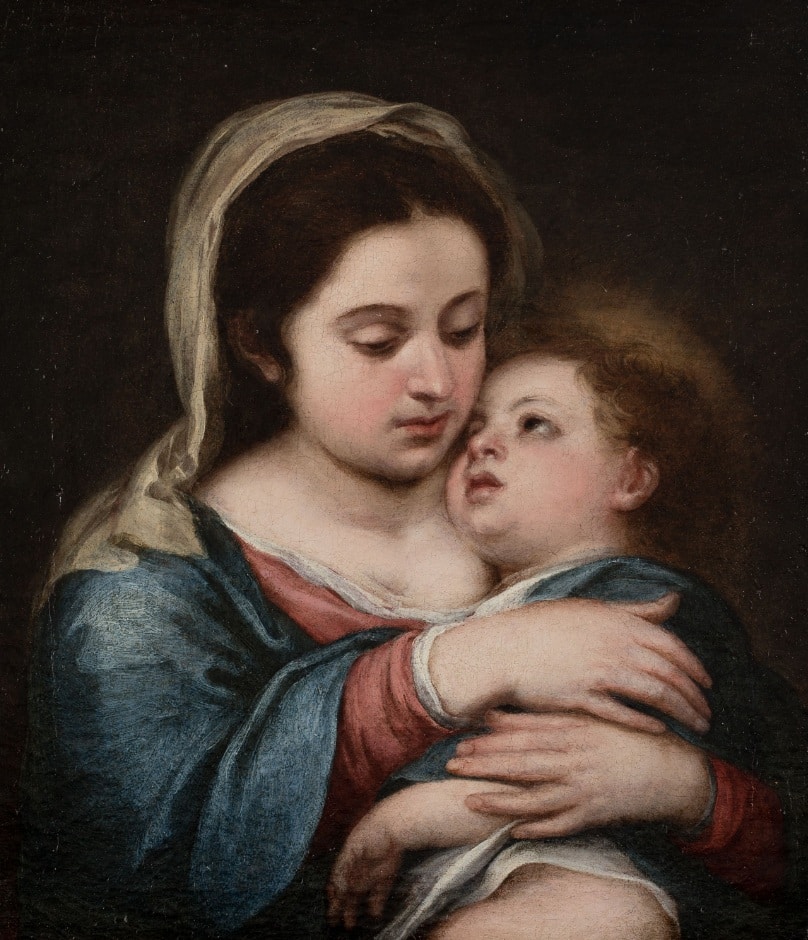




La Virgen del Pilar
1. La aparición
La devoción a la Virgen del Pilar es una de las tradiciones marianas más antiguas del cristianismo y un pilar fundamental de la identidad de Zaragoza, Aragón y del mundo hispánico. A diferencia de la mayoría de las apariciones marianas, la tradición del Pilar destaca porque se considera la única aparición mariana mientras la Virgen María aún vivía en Jerusalén cuando se manifestó al Apóstol Santiago.
En efecto, según una tradición custodiada desde la Antigüedad, el 2 de enero del año 40 d.C., el Apóstol Santiago el Mayor se encontraba predicando el Evangelio a orillas del río Ebro en Cæsaraugusta (actual Zaragoza). Descorazonado por la dificultad de convertir a los pobladores paganos, recibió la visita de la Virgen María rodeada de ángeles que portaban una columna de jaspe de 1,77 metros de altura. En aquel momento el Apóstol estaba acompañado por siete discípulos.
La Virgen le pidió que edificase allí una capilla en su honor, prometiendo que "permanecerá este sitio hasta el fin de los tiempos para que la virtud de Dios obre maravillas y prodigios por mi intercesión".
2. El Templo
Este hecho dio origen al primer templo mariano de la Cristiandad. En ese lugar se construyó una pequeña edificación, con el altar dispuesto en torno a la columna, que con el tiempo se fue ampliando llegando a convertirse en una ermita paleocristiana/mozárabe.
A principios del siglo XII, en el año 1118, el rey Alfonso I el Batallador reconquista la ciudad y sustituye esa ermita por un templo románico cuyas obras no finalizaron hasta el siglo XIII, de cuyo aspecto da idea un tímpano que se conserva integrado en la fachada actual.
Sin embargo, aún no había transcurrido un siglo desde la finalización de la obra románica, cuando se decide iniciar la construcción de un nuevo edificio, en estilo gótico-mudéjar, que se terminó en el año 1518.
La colegiata mudéjar incluía un lujoso coro y el retablo del altar mayor, encargado a Damián Forment, que se conservan en la actual concatedral.
A finales del siglo XVII se plantea de nuevo la necesidad de erigir una nueva basílica de grandes proporciones de estilo barroco, que se convertiría en la segunda catedral de la ciudad, junto con La Seo. El proyecto, iniciado por José Felipe de Busiñac y Felipe Sánchez y revisado por Francisco de Herrera el Mozo, comenzó a realizarse en 1681. Más adelante, en 1750, Ventura Rodríguez se encargaría de revisar el diseño completo e introducir cambios que lo acercarían al gusto neoclásico. Obra maestra de su labor fue la concepción de una nueva capilla para la Virgen, consistente en un templete de gran suntuosidad que integra caracteres barrocos, rococó y neoclásicos.
Finalmente, en los siglos XIX y XX, se erigieron las cúpulas y linternas faltantes y las altas torres de los ángulos que, en 1961, darían a la Basílica del Pilar el aspecto con el que hoy se conoce.
3. La imagen
Una antigua tradición piadosa afirma que la columna vino acompañada de una pequeña talla de la Virgen. Sea cierto o no lo sea, la imagen que hoy veneran millones de fieles tiene un origen posterior muy concreto.
A mediados del siglo XV, un devastador incendio destruyó el retablo y la antigua imagen que custodiaba la Santa Capilla. Entonces, se encargó la efigie actual. Se trata de una obra de la primera mitad del siglo XV (hacia 1435) atribuida al escultor aragonés Juan de la Huerta. Es una imagen de Nuestra Señora de 36 centímetros de altura, tallada en madera de estilo gótico tardío europeo. Representa a María de pié, coronada como Reina y Madre, cubierta con un vestido abotonado de la época gótica, sosteniendo en su brazo izquierdo a su Hijo, quien tiene delicadamente en sus manos un pájaro. Esta talla de la Virgen está colocada encima de la columna de jaspe traída por los ángeles. Actualmente la columna está recubierta con una lámina de plata repujada, para protegerla de la erosión.
Lo que llama la atención en el templo del Pilar es que el manto de la Virgen cubre a la columna de jaspe, no a la imagen de la Virgen. Su simbología es clara: La columna representa la firmeza de la fe y la perseverancia cristiana. María es nuestra fortaleza: es el refugio de los pecadores, el auxilio de los cristianos, es el ancla de nuestra salvación. La presencia de María expresa el consuelo maternal y la cercanía de la Virgen en los momentos difíciles.
4. La devoción
Aunque la tradición sitúa el origen del Pilar en el siglo I, debemos avanzar varios siglos para encontrar testimonios históricos sobre la existencia de un lugar de culto en este emplazamiento. Es en el siglo IX, estando Zaragoza sometida a los musulmanes, cuando se encuentran las primeras referencias históricas acerca de una iglesia dedicada a la Virgen María muy venerada por la comunidad mozárabe.
Después de la conquista de Zaragoza por Alfonso I el Batallador el culto y la devoción a la Virgen del Pilar fue creciendo y en los siglos XII y XIII ese templo se convirtió en un lugar de peregrinación. De hecho existe un documento de finales del siglo XIII donde se menciona expresamente la advocación de Santa María del Pilar.
Zaragoza era una ciudad de importancia política, comercial y religiosa, y el santuario recibía fieles que acudían a rezar ante la columna venerada. La afluencia de peregrinos y las donaciones hicieron necesario reparar y ampliar sucesivamente el templo. La devoción no permaneció limitada a un pequeño grupo de fieles, sino que se convirtió en una expresión colectiva de la religiosidad zaragozana. Comienzan a formalizarse las primeras cofradías y peregrinaciones regionales. La devoción a Santa María se extendió por la Corona de Aragón y otros territorios de la península.
A partir del siglo XVI, el culto a la Virgen del Pilar se consolidó de manera notable. Reyes, autoridades eclesiásticas, instituciones y ciudadanos contribuyeron al enriquecimiento del santuario. Por ejemplo, Felipe II a finales del siglo XVI donó dos ángeles de plata que actualmente forman parte del conjunto artístico de la Capilla de la Virgen.
Desde un punto de vista religioso a principios del siglo XVII se documenta la celebración del 12 de octubre como la fiesta de la Virgen del Pilar y a finales de siglo el templo del Pilar recibió el título de Catedral.
Como ya se ha mostrado anteriormente, el templo medieval empezó a resultar insuficiente para acoger a los fieles. Por ello, en el siglo XVII se impulsó la construcción de un templo mucho más monumental, de acuerdo con el estilo y la sensibilidad religiosa del Barroco.
Podemos afirmar que la devoción a la Virgen del Pilar se convirtió en un referente religioso para distintas comunidades españolas. En muchas ciudades y pueblos hay templos y altares dedicados a esta advocación mariana. En la actualidad se puede afirmar que la devoción a la Virgen del Pilar es una de las devociones más arraigadas en toda España y en Hispanoamérica. Al coincidir la fiesta de la Virgen del Pilar con el día del descubrimiento de América por Cristóbal Colón, los numerosos emigrantes llevaron su devoción a América y a otros lugares del mundo. De hecho el papa Pío XII en el año 1948 nombró a la Virgen del Pilar como Patrona de la Hispanidad.
El Pilar es uno de los santuarios marianos del mundo que recibe más peregrinos; y es tradicional la costumbre de rezar esta oración a la Virgen del Pilar: «Bendita y alabada sea la hora en que María Santísima vino en carne mortal a Zaragoza. Por siempre sea bendita y alabada».










The tabernacle at San Salvador Cathedral (El Salvador, Central America) is a magnificent piece of goldsmith’s work, notable for its size – 2.5 metres in height – the beauty of its design and the quality of its craftsmanship. It is probably one of the ten finest pieces of goldsmith’s work produced throughout the 20th century. This assertion is based on its grandeur, the quality of its elegant and refined design, and the difficulty posed by its execution: it features highly complex joints between mouldings and the meeting points of curved surfaces, which were executed with delicacy and perfection. It was a challenge to realise the magnificent design by the architect Joaquín Lorda Iñarra, and the work carried out by Talleres de Arte Moreno, in Granada, between 1997 and 2000, proved spectacular.
The tabernacle has a square plan with chamfered corners and a turret-like design, blending elements from several Spanish and Italian Baroque architects: Alonso Cano, Filippo Juvarra, Carlo Fontana and Churriguera. It comprises a plinth, a central body and an upper finial. At the base there is a laurel wreath, held in place by braids, from which garlands of flowers hang. The design of the laurel wreath with braids can be seen on the lectern in Granada Cathedral, designed by Alonso Cano. The plinth upon which the tabernacle rises is a complex surface with a double inverted curvature; it features four cherub heads. The original design of this surface is the invention of Carlo Fontana. The lower guideline is a circle parallel to the laurel wreath, whilst the upper guideline consists of four circular segments with the opposite curvature; in other words, the guideline transitions from concave to convex and the curved generatrix gradually alters its curvature. The junctions of these surfaces are resolved by means of four bands that coincide with the chamfered corners. Joaquín Lorda made a contribution by ensuring that these bands terminate at the crown’s braids, thus linking the designs of Carlo Fontana and Alonso Cano. The solution is very slender and elegant; it almost seems natural; yet on closer inspection, its enormous complexity becomes apparent. In order to execute it correctly, the goldsmith’s workshop first produced a plaster model, and once this had been approved by Joaquín, they began shaping the silver sheet. The cherubs spreading out across this surface appear to support the weight of the tabernacle. The result is marvellous.
Joaquín González-Miranda, architect of San Salvador Cathedral
The reliefs on the central body reproduce engravings from a missal used for the evangelisation of the Americas. During the 16th century, only two types of missal were used in the evangelisation of the New World; these were produced at the El Escorial printing press, and we selected scenes from one of them. Consuelo de la Cuadra modelled some bas-reliefs in plasticine in Madrid, and the goldsmith cast them to be set into the tabernacle. The scenes are dedicated to the Three Persons of the Trinity; they depict: the glory of heaven, with the Holy Trinity surrounded by angels and saints – Saint Lawrence appears in the foreground – the Nativity of the Lord and Pentecost. On the rear panel is the door of the tabernacle; it features the symbol of God – a triangle amidst clouds – a pelican and the inscription: ‘Here is Jesus Christ, God, the Son of Mary’. Engraved on the inside of the door is the text of the Pange Lingua, in Spanish, and the entire interior of the tabernacle is filled with angels in an attitude of adoration and stars. Various inscriptions can also be seen on the central body; at the top, within the round medallions, is engraved: ‘Glory to God the Father – Glory to God the Son – Glory to God the Holy Spirit – Glory to God’; and at the bottom, next to the plinth: ‘We praise You – Lord – We bless You – Lord – We adore You – Lord – We give You thanks – Lord’.
The mouldings above the medallions reveal a design feature characteristic of Churriguera: the semicircular arch extends downwards, becoming a pointed arch. Whilst this appears to be a natural progression, the intersection of the decorative mouldings is complex and executed with great perfection. It should be borne in mind that in goldsmithing, the mouldings must be soldered together; and applying heat with the blowtorch causes deformation. A skilled goldsmith manages to avoid such distortions so that the mitre joints are perfectly finished. The tabernacle is crowned by a small roof, formed of various curved surfaces with a scale-like finish, culminating in a plinth that enshrines the image of the Risen Christ, situated atop the globe, and specifically over the country of El Salvador.
The tabernacle stands freestanding, inside a gilded wooden and mirrored shrine, upon a marble plinth. The tabernacle’s shrine was also designed by Joaquín Lorda, in my studio, and was constructed in El Salvador.


Antoni Gaudí’s Sagrada Família is, thanks to its beauty and originality, the most iconic church to have been built in the last century; proof of this is that, after St Peter’s Basilica in the Vatican, it is the most visited church in the world. On 7 November 2002, Pope Benedict XVI consecrated this church and, in his homily, remarked: ‘We remember, above all, the man who was the soul and architect of this project: Antoni Gaudí, a brilliant architect and a devout Christian, whose torch of faith burned brightly until the end of his life, which he lived with dignity and absolute austerity’. Precisely on the centenary of his death, on 10 June 2026, Pope Leo XIV consecrated the Tower of Jesus Christ, and described its creator as ‘God’s architect’, who knew how to build ‘an architectural masterpiece, which is also an eloquent catechesis made of stone, colour and light’. In its wisdom, the Church thus renews the Biblia pauperum of the ancient cathedrals, which are in themselves messages of evangelisation of great richness. In this age of the image, it is even more evident how art and beauty are pre-eminent channels of evangelisation’.
And he added: ‘It is precisely faith that gives form to the stones and meaning to the edifice we inhabit together. In our prayer, therefore, we discover the original connection between all things and God, the Creator of heaven and earth: He is the Artist who has imprinted His splendour upon the cosmos. Created in His image, humankind responds to God’s work with its own ingenuity: this is how the artist transforms talent into praise and creativity into a testimony to the Creator Himself. As an architect burning with faith, the venerable Antoni Gaudí conceived these spaces with the desire to recount the mysteries of the Lord’s life: in this way, he has offered us a spiritual pilgrimage, leading to an encounter with Christ, who was born, died and rose again for us.”
The Sagrada Família is the fruit of faith, and also, as Ricardo Piñero points out, the fruit of human intelligence, of work well done, of teams who have poured their expertise and enthusiasm, their intelligence and their dedication into a project that transcends human calculations. In November 1883, Gaudí took charge of this project and radically transformed the design, which had begun a year earlier in the Gothic style, because – as Piñero adds – ‘for him, this style was imperfect, as its supporting structures – the pillars and flying buttresses – deviated from the laws of nature. The key for the architect from Reus lay in drawing inspiration from nature, for it is the very work of God. What we find in nature are regular geometric forms: the hyperbolic paraboloid, the hyperboloid, the helicoid, the conoid… The perfect structure requires no artifice; one need only observe a tree trunk in detail, or… one need only look at a human skeleton. The fusion of function and aesthetics is one of the tenets of his creativity, which was always closely linked to a contemplative view of a bountiful natural world, and to his own existential reality—one deeply shaped by the scarcity of financial resources he endured, which so often forced him to seek more intelligent and innovative structural solutions’.
Gaudí conceived the interior of the church as a forest of tree-like columns, from whose trunks branches emerge to support the intersecting hyperboloid vaults. The columns are inclined, not only to better withstand the pressures and forces exerted by the roof, but also to give the faithful the sensation of being in the midst of a forest. On the exterior, a total of 18 parabolic spires rise from the ground to the sky. They are dedicated to the 12 apostles and the 4 evangelists, whilst the tallest are dedicated to the Virgin Mary and Jesus Christ; at 172.5 metres high, this makes it the tallest church in the Christian world.
For Piñero, ‘creation leads us to the truth of beings; and that truth is of a striking beauty. That is why art imbued with the splendour of creation is a true recreation of beauty, even though the church remains unfinished, even though the creation of the work has spanned more than a century’. Gaudí devoted 43 years to this project, the last 15 with particular intensity, even going so far as to live in the cathedral’s workshop itself. He was aware that the project was colossal and that he would not live to see his work completed; for this reason, in addition to the overall model, he wanted to leave one façade finished, so that at least a small part of the work might serve as inspiration to those who would continue it. And we must acknowledge that, although a manifesto by leading intellectuals and artists was published in 1965 opposing the continuation of the work, the result we see today is marvellous. Gaudí’s principles have been respected, whilst incorporating some contemporary solutions. The power of the complex as a whole allows it to absorb ‘hybridisations’ such as Subirachs’ façade or the design of the chancel; and also to utilise robotics to carve some of the stones on the façade. ‘Love first, technique second’ is the phrase by Gaudí that drones spelled out in the sky above Barcelona at the conclusion of the blessing of the Tower of Jesus Christ.
Ricardo Piñero, in his book dedicated to unfinished masterpieces, writes: ‘In the history of art, it is not difficult to come across unfinished masterpieces. These works offer a new perspective on the subject depicted; they give us a different view of the artist who conceived and executed them. These unfinished masterpieces are also exceptional witnesses to a beauty that is presented to us, that makes itself present in an unusual way… these unfinished works of beauty have, over time, proved to be extraordinarily vibrant and fruitful, because thanks to them every human being can come to be, can come to see, can come to discover and discover within themselves a new world in which to aspire to the good life, in which to contemplate the presence of that which sustains all things’.
In this he agrees with Leo XIV, who stated in his homily: ‘Far more than a monument, the Basilica of the Sagrada Família remains today a work in progress, reminding us how the Christian life is always a journey, for it is a project that God is carrying out.
We do not, therefore, inhabit an unfinished work, but a temple still under construction. Its imperfection is not a flaw, for it bears witness to a desire; it does not signify a lack, but rather expresses a promise that we wish to honour with consistency.”






On 13 February 1965, Mark Rothko signed a contract with Dominique and John de Menil to create the paintings for a university chapel in Houston; a place dedicated to contemplation, meditation, prayer and silence. The aim was to reconcile contemporary art with the absolute, the sublime and the sacred. Thus the Rothko Chapel was born, a building with an octagonal floor plan, inscribed within a Greek cross. Entry to the octagon is through two very simple doors, which mark the boundary between the mundane and the sacred. Inside, it features fourteen panels in shades of purple, brown and an endless black – practically monochrome – seeking to make us witnesses to a presence that lies, as in that divine darkness, beyond light itself. Entering the chapel in Houston is like being immersed in a unique atmosphere, where everything seems to be the work of the divine: the order manifested there is a materialised work of the spirit.
In the apse triptych, the central panel is purple, slightly lighter in colour than those surrounding it. The side triptychs, to the east and west, are an almost complete black, appearing to be framed in a dark reddish colour. Indeed, black and red are the colours of the southern panel—the narrowest mural—which is flanked on either side by two further panels, in which the same purple as that of the central element of the northern triptych stands out. The dialogue between each element resembles that dance which the Latvian painter perceived in the writings of the Church’s early great theologians. Seemingly impossible links are established between them, yet an immaterial connectivity can be perceived.
The apse serves as a focal point around which the entire chapel is centred, as if within a harmonious tempo. One experiences a flow of the spirit moving from one side to the other, from black to purple, from purple to black, as in a mirror, as in the sensation that something is happening. This work of art is an almost liturgical gesture, like a kind of ensemble, a call, which allows us to leave the external world behind and propels our soul towards the interior of each panel. We are no longer spectators, but inhabit the canvas. Rothko needed great courage to paint pictures as black as night. That is precisely where his greatness lies. His painting is a mystical act, because it takes us directly towards the horizon; and in that chapel we are able to gaze towards infinity.
Part of the secret lies in the way he works with the primer. Modifying the traditional technique, he applies layers of hot rabbit-skin glue mixed with the diluted pigment itself to the canvas. The result is that the brushstrokes disappear. The colour appears to be suspended in the translucent glue. If further layers of paint – diluted in turpentine – are applied subtly over this base, the final effect is that the brushstrokes become completely blurred, and, rather than a mass of colour, what we have is a sort of chromatic breath. If the pigment is black, what we obtain is the visibility of the spirit.
That black is much more than a pigment; it is a lived experience. These canvases are works that are chromatically alive, where black attains an inexhaustible power. We owe to Rothko the transcendental and transcendent quality of a painting that reminds us, even today, that all human life may be at the mercy of an imminent epiphany, one that will have no end.
Cf. Ricardo Piñero, Bellezas inacabadas, Ediciones Rialp 2025, pp. 78–94












On 13 February 1965, Mark Rothko signed a contract with Dominique and John de Menil to create the paintings for a university chapel in Houston; a place dedicated to contemplation, meditation, prayer and silence. The aim was to reconcile contemporary art with the absolute, the sublime and the sacred. Thus the Rothko Chapel was born, a building with an octagonal floor plan, inscribed within a Greek cross. Entry to the octagon is through two very simple doors, which mark the boundary between the mundane and the sacred. Inside, it features fourteen panels in shades of purple, brown and an endless black – practically monochrome – seeking to make us witnesses to a presence that lies, as in that divine darkness, beyond light itself. Entering the chapel in Houston is like being immersed in a unique atmosphere, where everything seems to be the work of the divine: the order manifested there is a materialised work of the spirit.
In the apse triptych, the central panel is purple, slightly lighter in colour than those surrounding it. The side triptychs, to the east and west, are an almost complete black, appearing to be framed in a dark reddish colour. Indeed, black and red are the colours of the southern panel—the narrowest mural—which is flanked on either side by two further panels, in which the same purple as that of the central element of the northern triptych stands out. The dialogue between each element resembles that dance which the Latvian painter perceived in the writings of the Church’s early great theologians. Seemingly impossible links are established between them, yet an immaterial connectivity can be perceived.
The apse serves as a focal point around which the entire chapel is centred, as if within a harmonious tempo. One experiences a flow of the spirit moving from one side to the other, from black to purple, from purple to black, as in a mirror, as in the sensation that something is happening. This work of art is an almost liturgical gesture, like a kind of ensemble, a call, which allows us to leave the external world behind and propels our soul towards the interior of each panel. We are no longer spectators, but inhabit the canvas. Rothko needed great courage to paint pictures as black as night. That is precisely where his greatness lies. His painting is a mystical act, because it takes us directly towards the horizon; and in that chapel we are able to gaze towards infinity.
Part of the secret lies in the way he works with the primer. Modifying the traditional technique, he applies layers of hot rabbit-skin glue mixed with the diluted pigment itself to the canvas. The result is that the brushstrokes disappear. The colour appears to be suspended in the translucent glue. If further layers of paint – diluted in turpentine – are applied subtly over this base, the final effect is that the brushstrokes become completely blurred, and, rather than a mass of colour, what we have is a sort of chromatic breath. If the pigment is black, what we obtain is the visibility of the spirit.
That black is much more than a pigment; it is a lived experience. These canvases are works that are chromatically alive, where black attains an inexhaustible power. We owe to Rothko the transcendental and transcendent quality of a painting that reminds us, even today, that all human life may be at the mercy of an imminent epiphany, one that will have no end.
Cf. Ricardo Piñero, Bellezas inacabadas, Ediciones Rialp 2025, pp. 78–94